Every business wants to know one thing before investing in advertising: what results will the money generate? Traditional advertising often makes this difficult to measure. Performance marketing addresses this challenge by connecting advertising spend with measurable outcomes such as leads, sales, bookings, and app installations.
As advertising costs increase, businesses need greater control over their marketing budgets. This guide explains what performance marketing is, how it works, which channels deliver results, and how to choose the right agency.
Table of Contents
- What Is Performance Marketing?
- Common Performance-Based Pricing Models
- How Performance Marketing Works
- Key Performance Marketing Channels
- Performance Marketing Metrics That Matter
- Performance Marketing vs Digital Marketing vs Brand Marketing
- Performance Marketing Examples: Results from Scoopit’s Campaigns
- How Much Does Performance Marketing Cost?
- How to Choose the Right Performance Marketing Agency
- Conclusion
What Is Performance Marketing?
Performance marketing is a digital advertising approach where campaigns are planned, tracked, and optimized around measurable business outcomes. Advertisers evaluate results such as clicks, leads, purchases, and conversions to understand how effectively their budgets are being spent.
Unlike traditional advertising, performance marketing focuses on accountability. Businesses use campaign data to identify successful strategies, improve underperforming ads, and allocate budgets more effectively.
Common Performance-Based Pricing Models
- CPC (Cost Per Click): Payment based on ad clicks.
- CPL (Cost Per Lead): Cost incurred for each generated lead.
- CPA (Cost Per Acquisition): Cost of acquiring a customer or completing a defined action.
- CPS (Cost Per Sale): Payment based on completed sales.
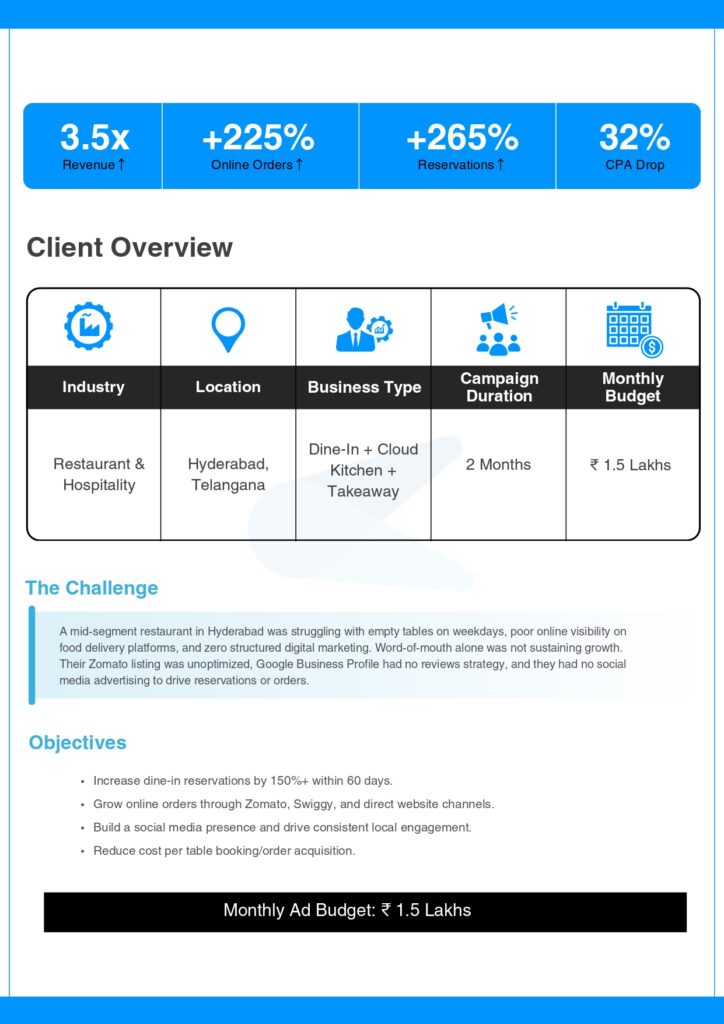
For example, a real estate business might run advertisements to generate property enquiries and measure the cost of each qualified lead.
How Performance Marketing Works
Performance marketing follows a continuous testing and optimization process.
- Set clear goals: Define targets such as cost per lead, customer acquisition cost, or ROAS.
- Set up tracking: Configure GA4, Meta Pixel, Conversions API, and Google Ads conversion tracking.
- Build audiences and creatives: Develop targeted advertisements for different customer journey stages.
- Launch and test: Compare creatives, audiences, and landing pages through A/B testing.
- Optimize and scale: Increase investment in successful campaigns and improve or pause underperforming ones.
This test, measure, and scale approach forms the foundation of effective performance marketing services.
Key Performance Marketing Channels
Choosing the right performance marketing channels depends on your audience, business model, and campaign objectives.
| Channel | Best For | Typical Goal |
| Google Ads | High-intent searches | Leads and sales |
| Meta Ads | Facebook and Instagram discovery | Engagement and leads |
| YouTube Ads | Video-based campaigns | Awareness and conversions |
| LinkedIn Ads | B2B businesses | Professional leads |
| Amazon Ads | Ecommerce products | Product sales |
Google captures existing search demand, while Meta and YouTube help businesses reach audiences through discovery and engaging content. WhatsApp click-to-chat campaigns also support direct customer conversations and remarketing.
A Google Ads agency or Meta Ads agency should select platforms based on business objectives rather than promoting one channel for every campaign.
Performance Marketing Metrics That Matter
Tracking the right metrics helps businesses understand campaign profitability.
| Metric | Meaning | Formula |
| CPC | Cost per click | Ad Spend ÷ Clicks |
| CTR | Click-through rate | Clicks ÷ Impressions × 100 |
| CPL | Cost per lead | Ad Spend ÷ Leads |
| CPA | Cost per acquisition | Ad Spend ÷ Acquisitions |
| ROAS | Return on ad spend | Revenue ÷ Ad Spend |
For example, ₹1,00,000 in advertising spend generating ₹5,00,000 in revenue delivers a 5x ROAS.
Businesses should also compare customer acquisition cost (CAC) with customer lifetime value (LTV). Cheap leads do not always translate into profitable customers.
Performance Marketing vs Digital Marketing vs Brand Marketing
Digital marketing is the broader category covering online marketing activities such as SEO, social media, content, and paid advertising.
Performance marketing focuses on measurable campaign outcomes, while brand marketing builds recognition, trust, and long-term demand.
The strongest strategy combines all three approaches to attract customers and convert them effectively.
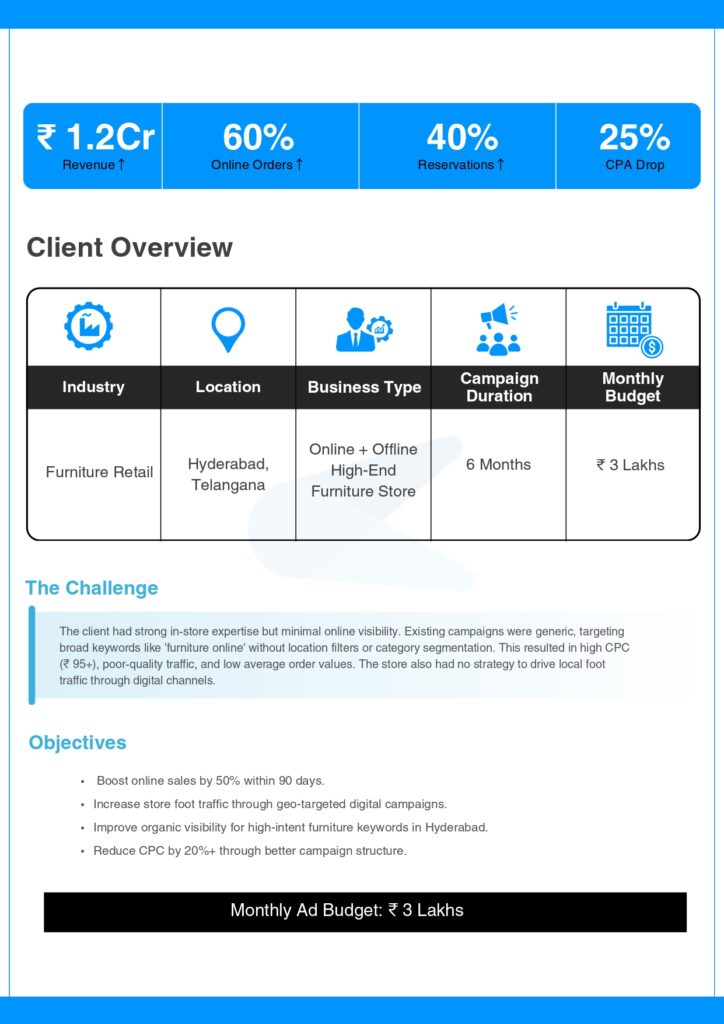
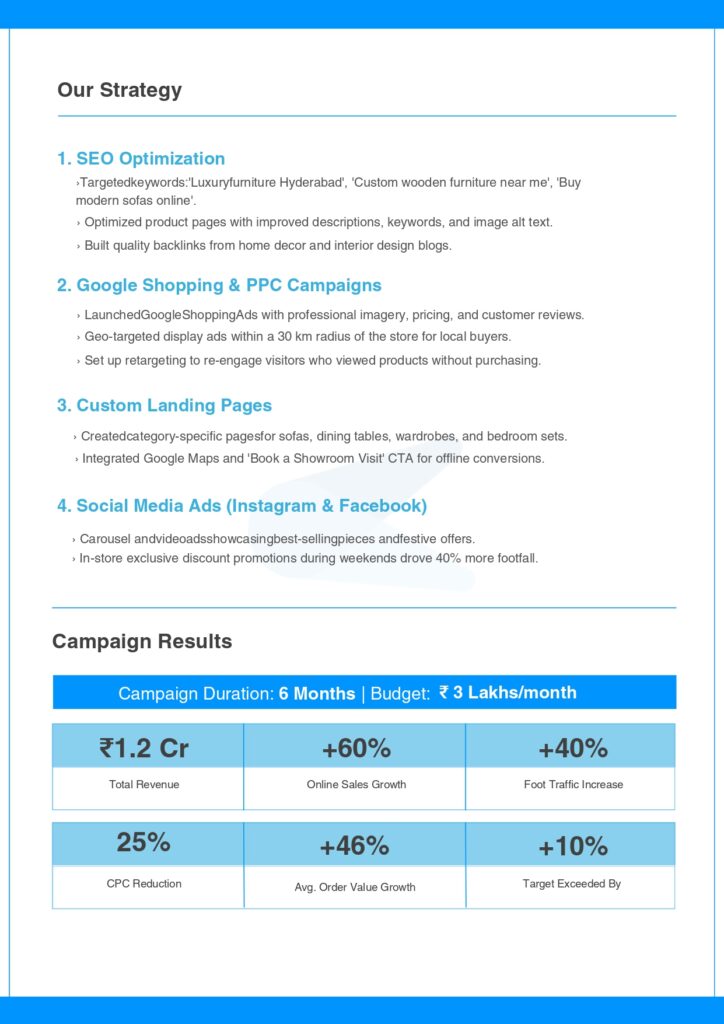
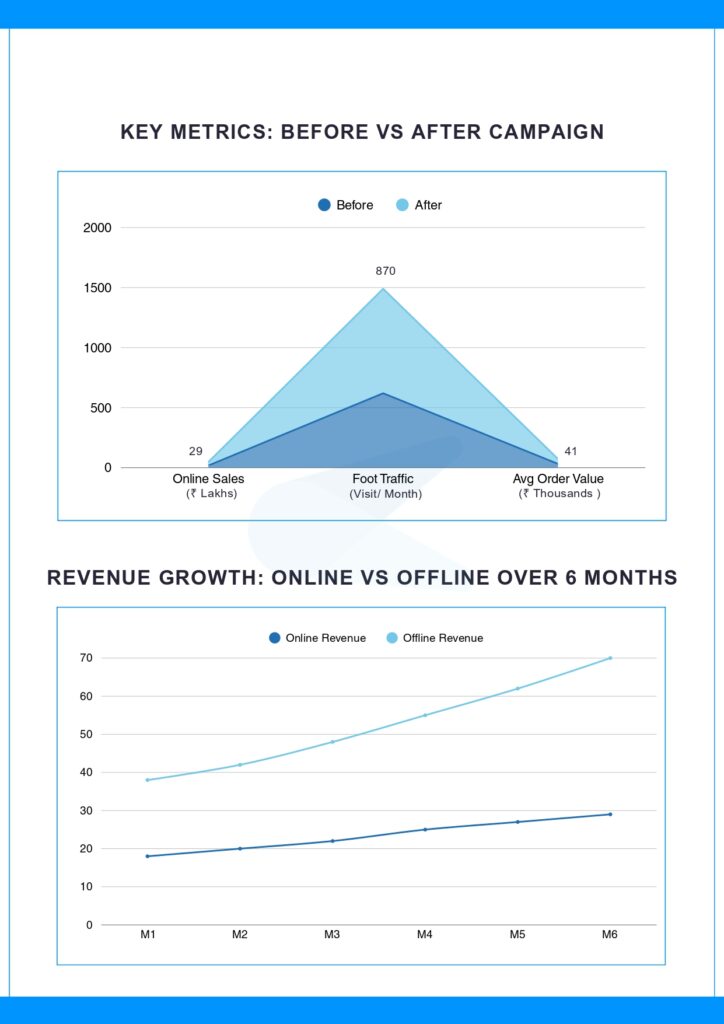
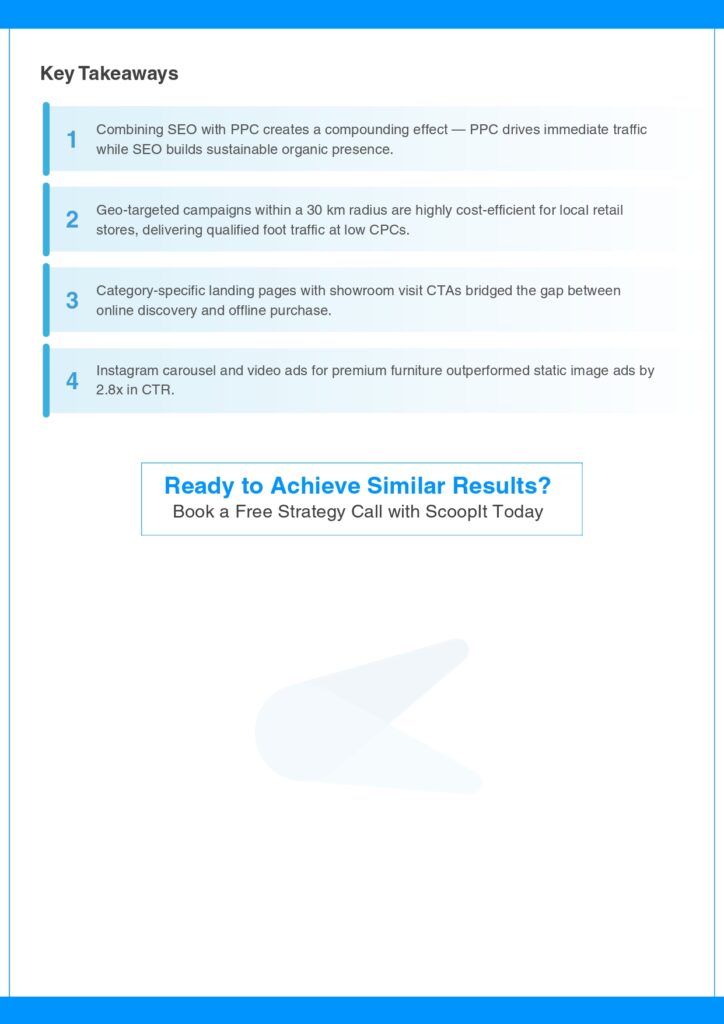
Performance Marketing Examples: Results from Scoopit’s Campaigns
Scoopit’s campaign portfolio includes results across multiple industries:
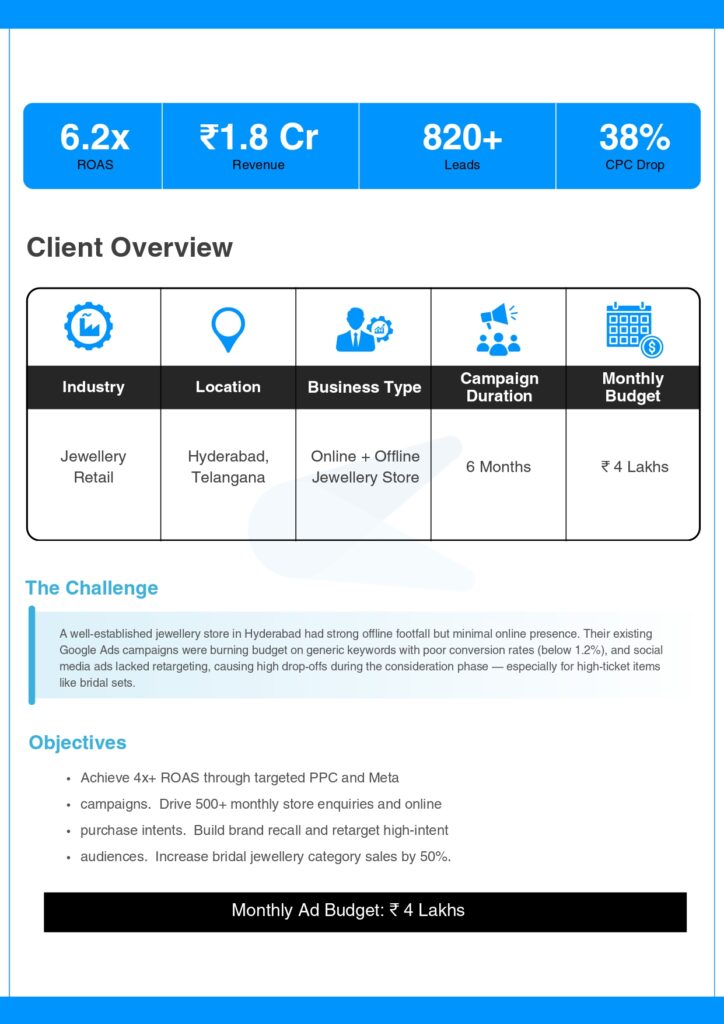
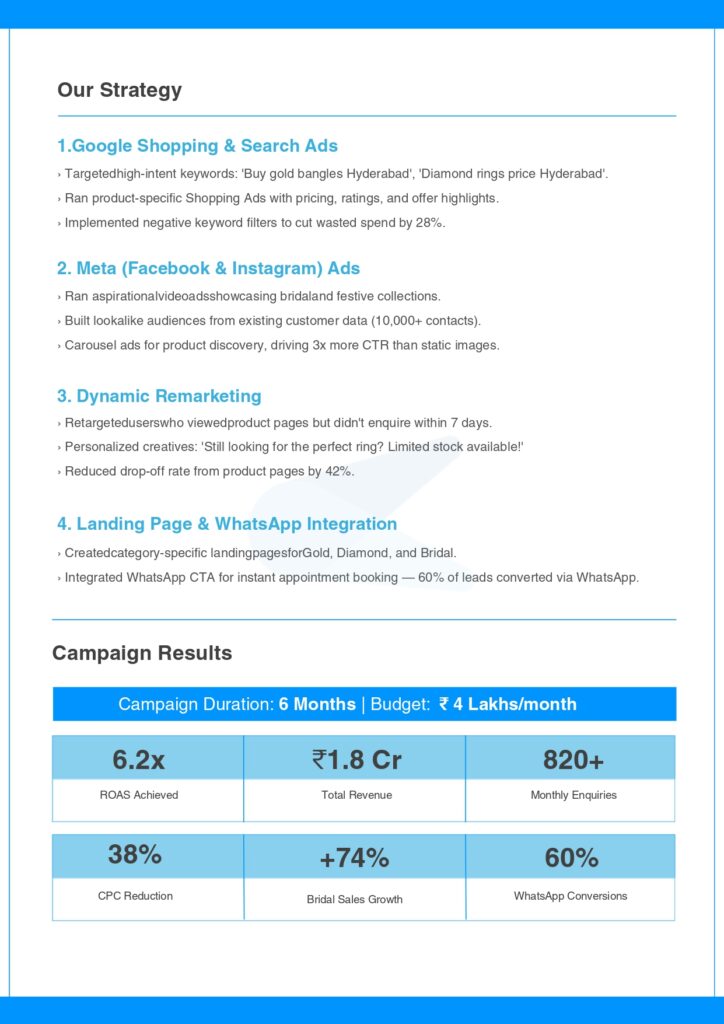
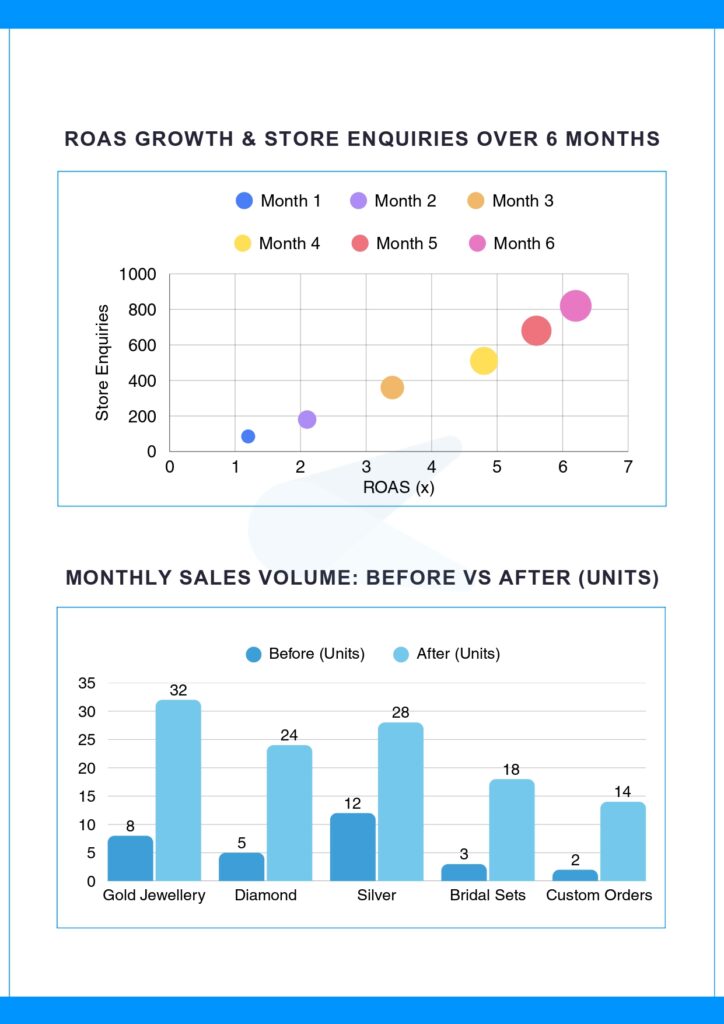
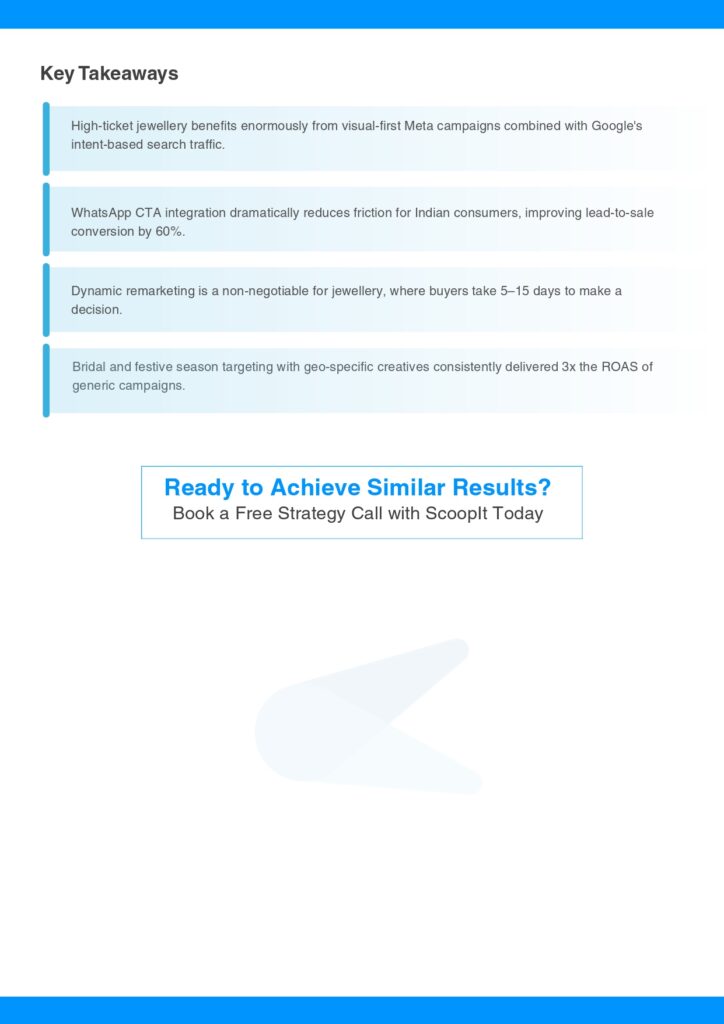
- Jewellery: 6.2x ROAS, ₹1.8 crore revenue, and a 74% increase in bridal sales.
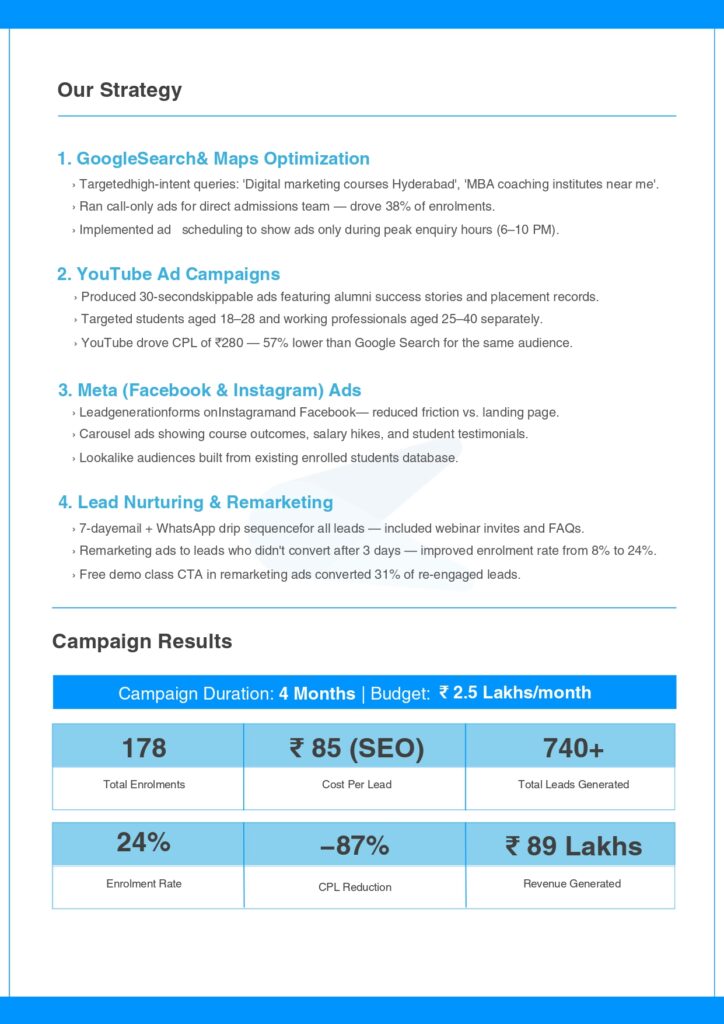
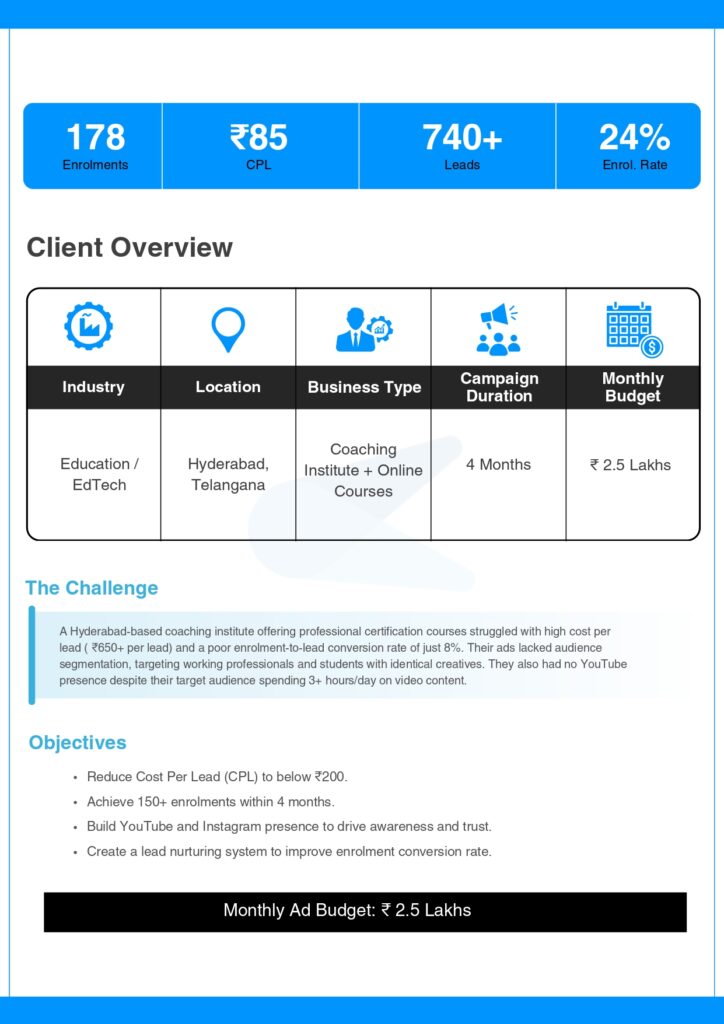
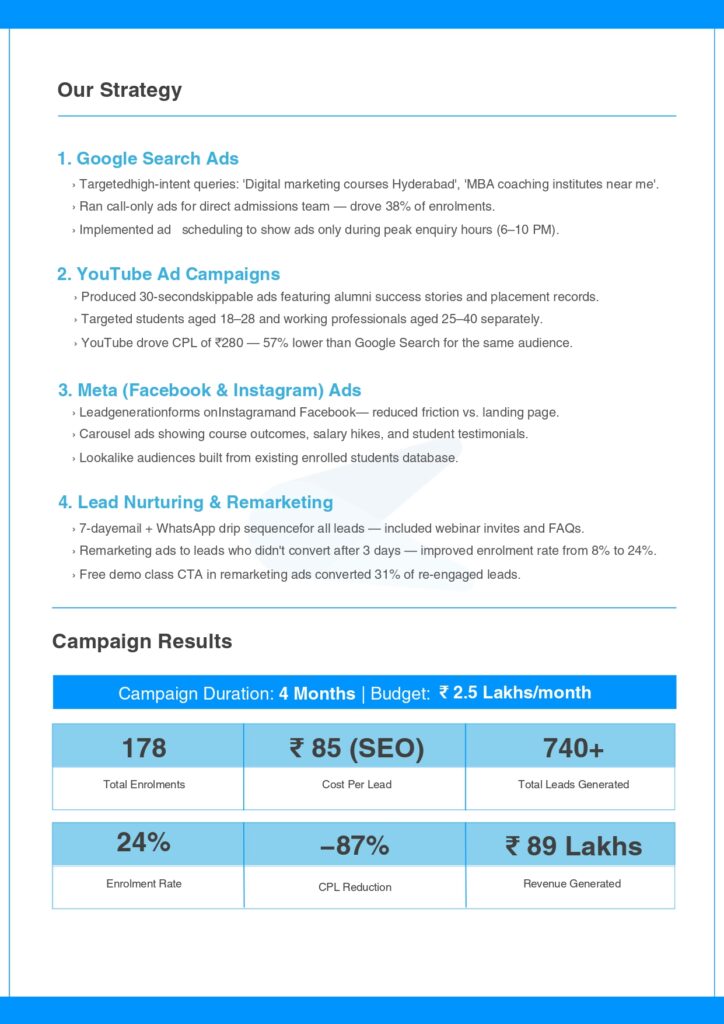
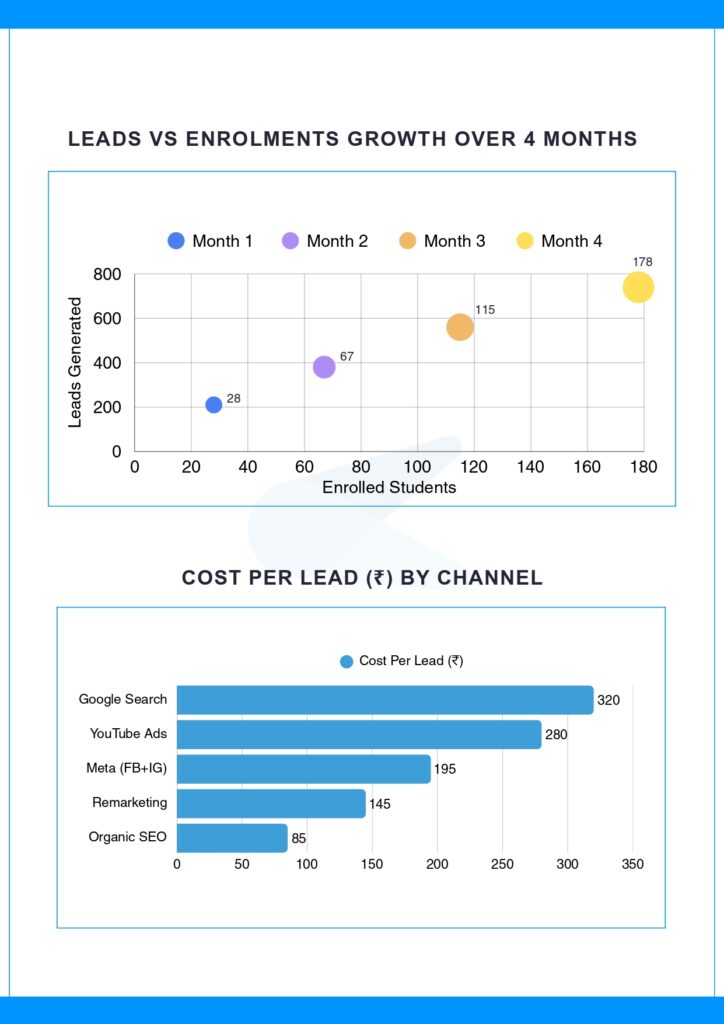
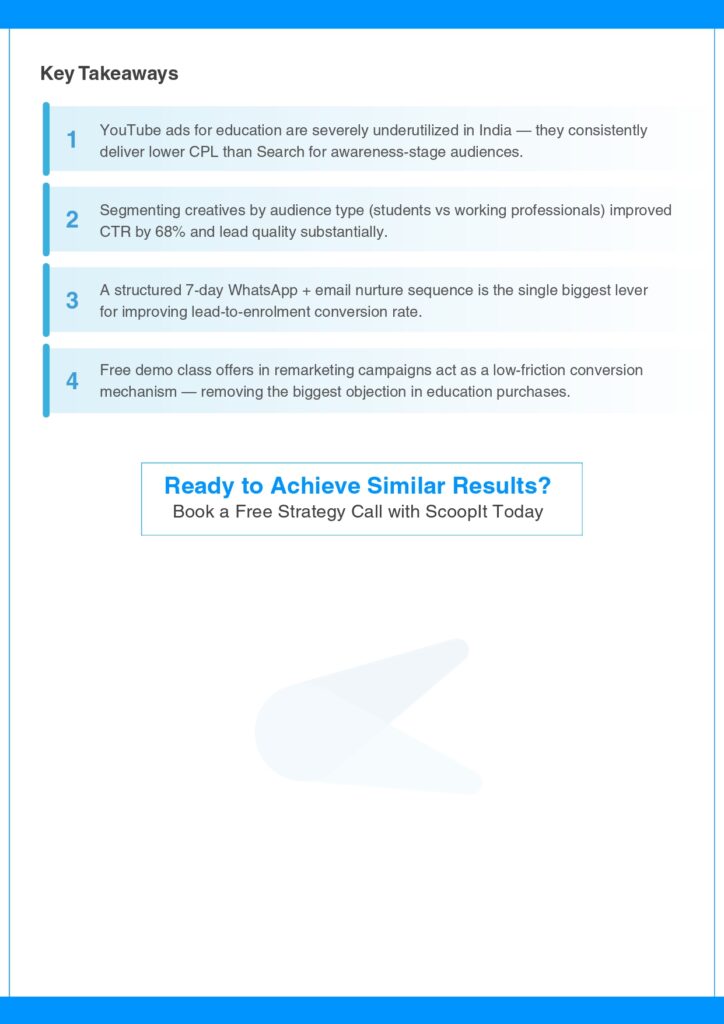
- EdTech: 740+ leads, 178 enrolments, and an 87% reduction in cost per lead.
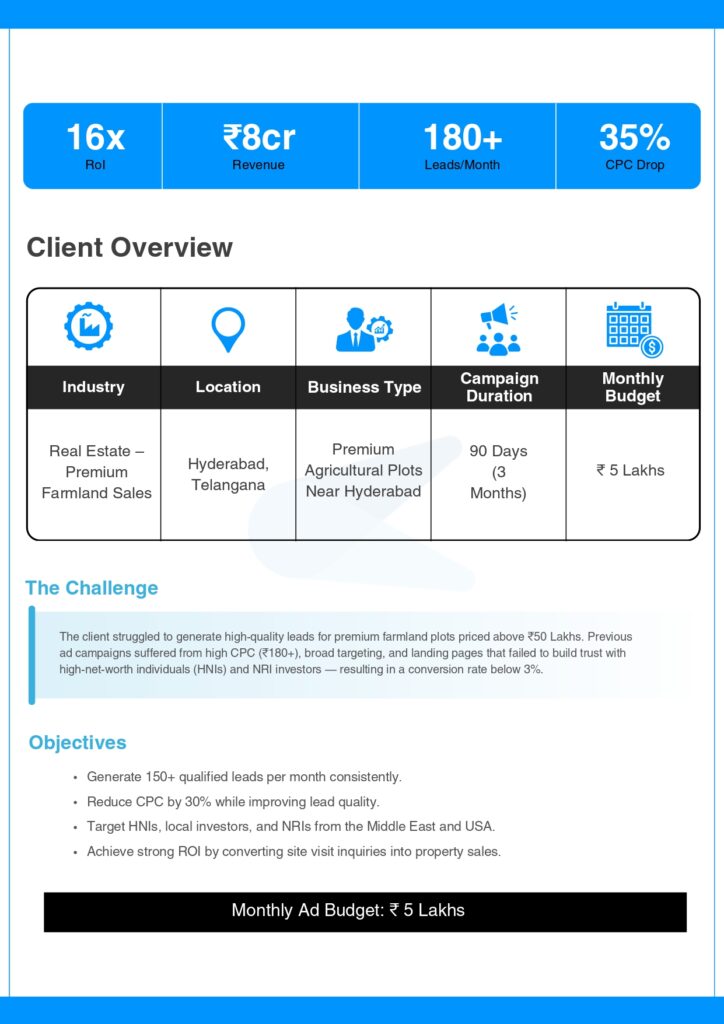
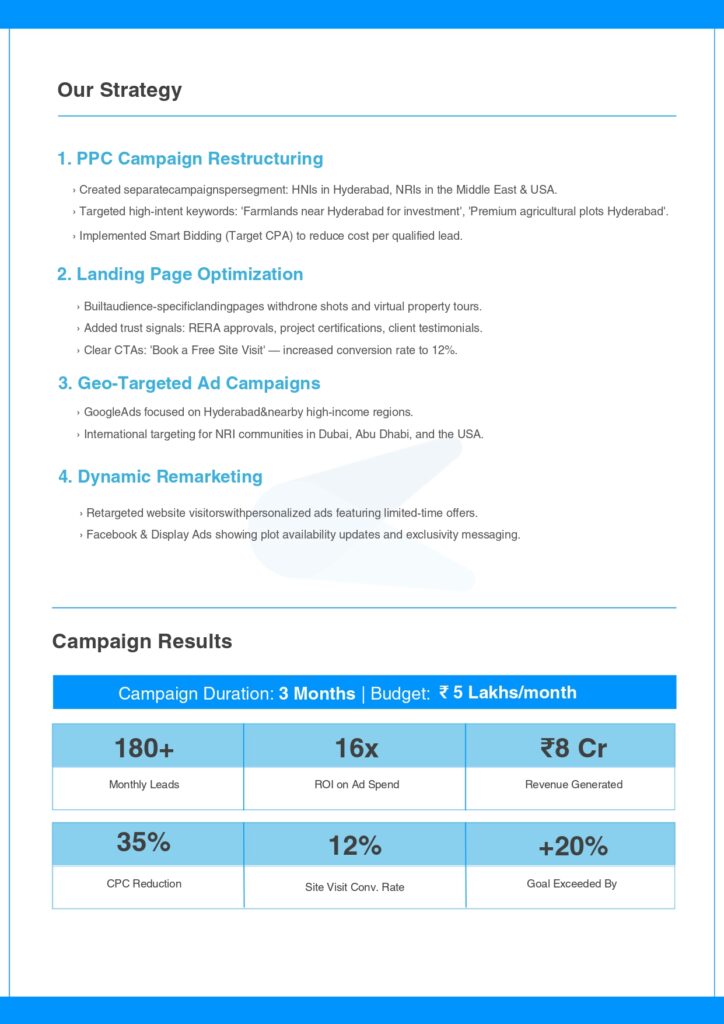
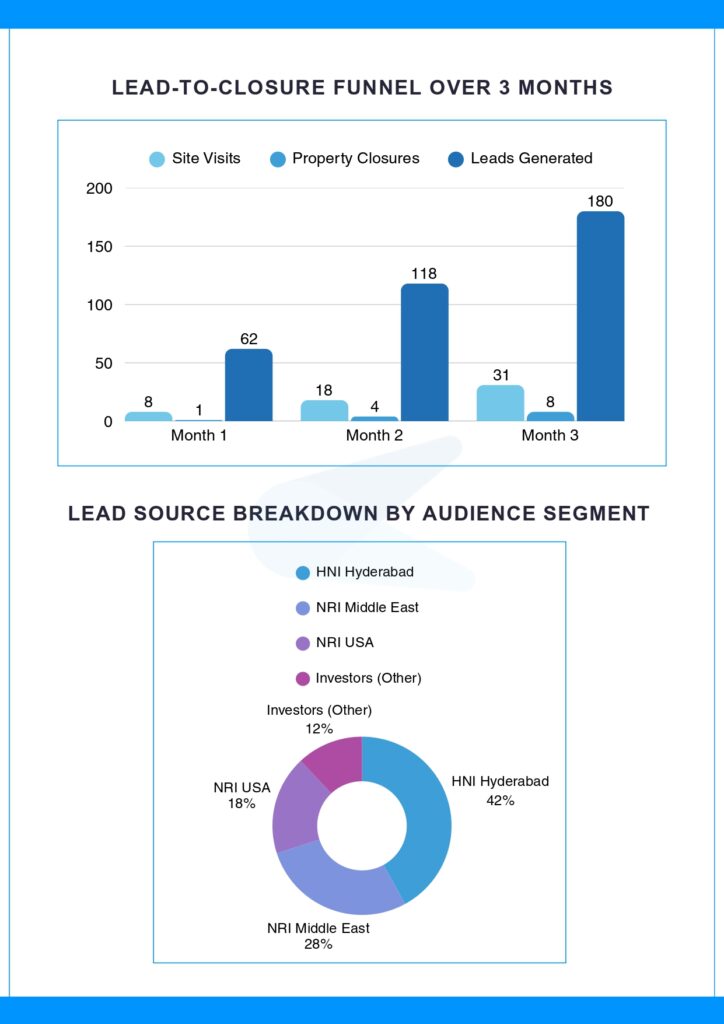
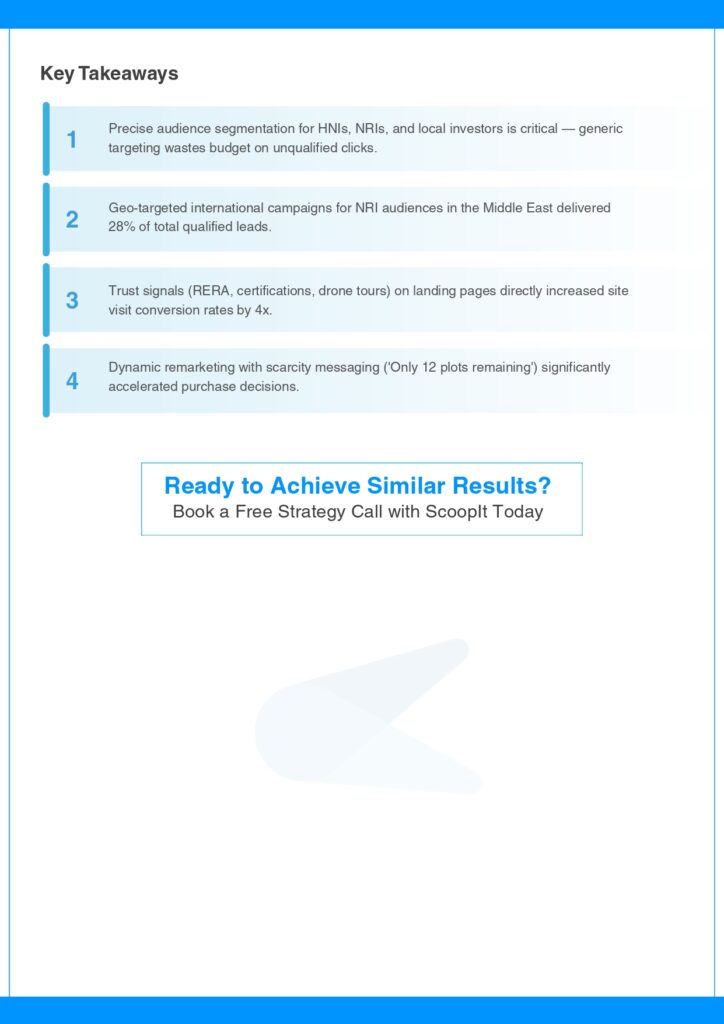
- Real Estate: 180+ monthly leads, 16x ROI, and ₹8 crore revenue.
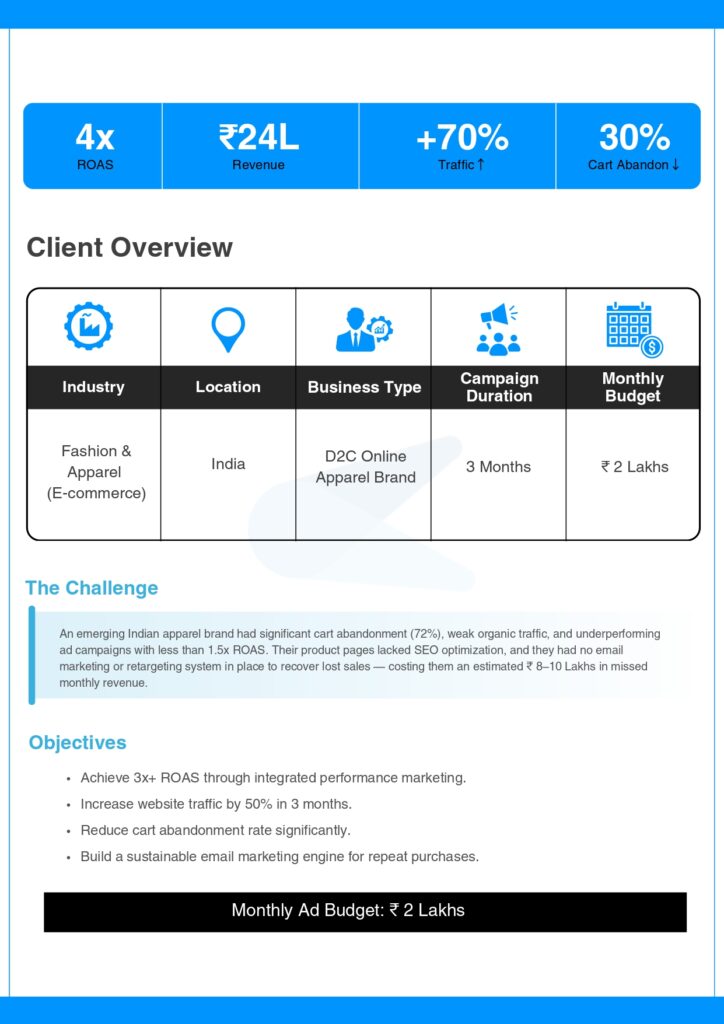
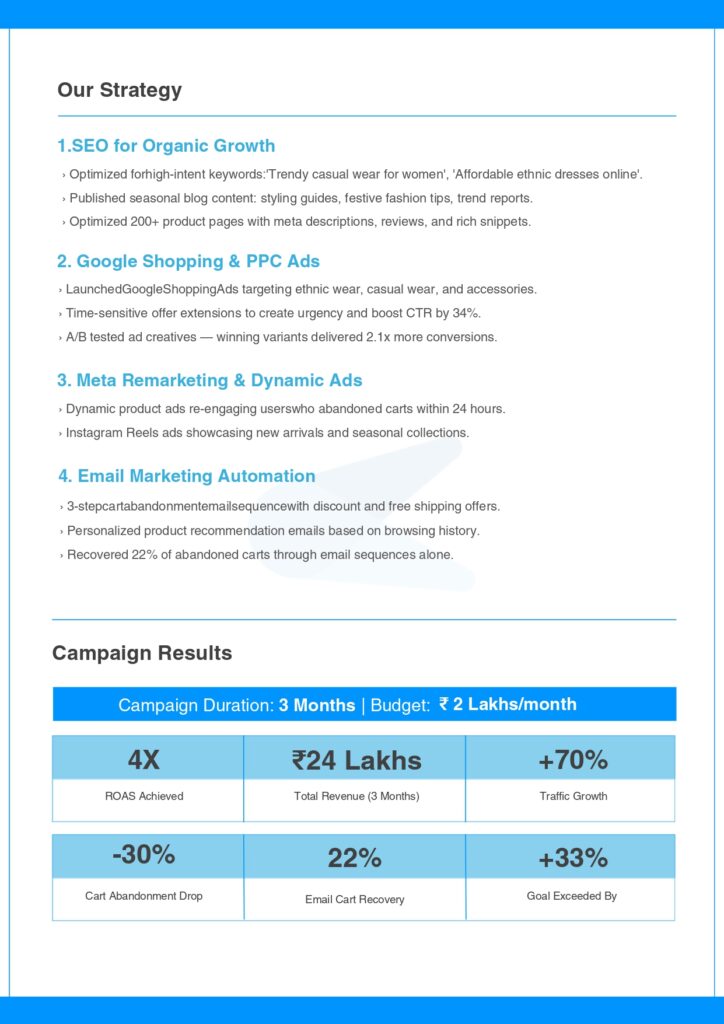
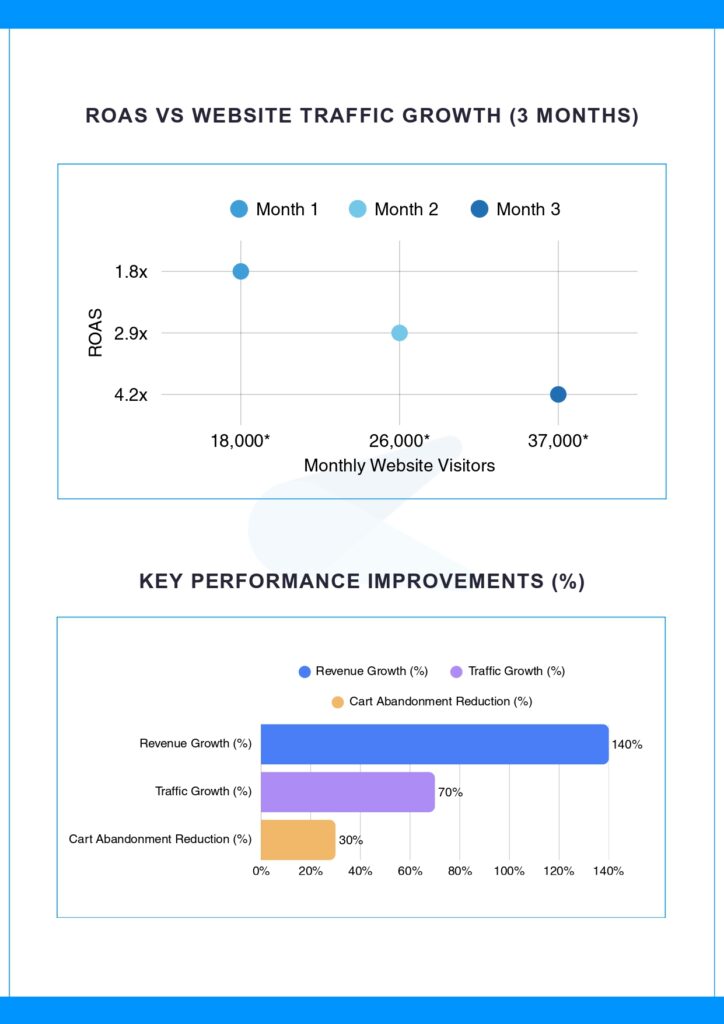
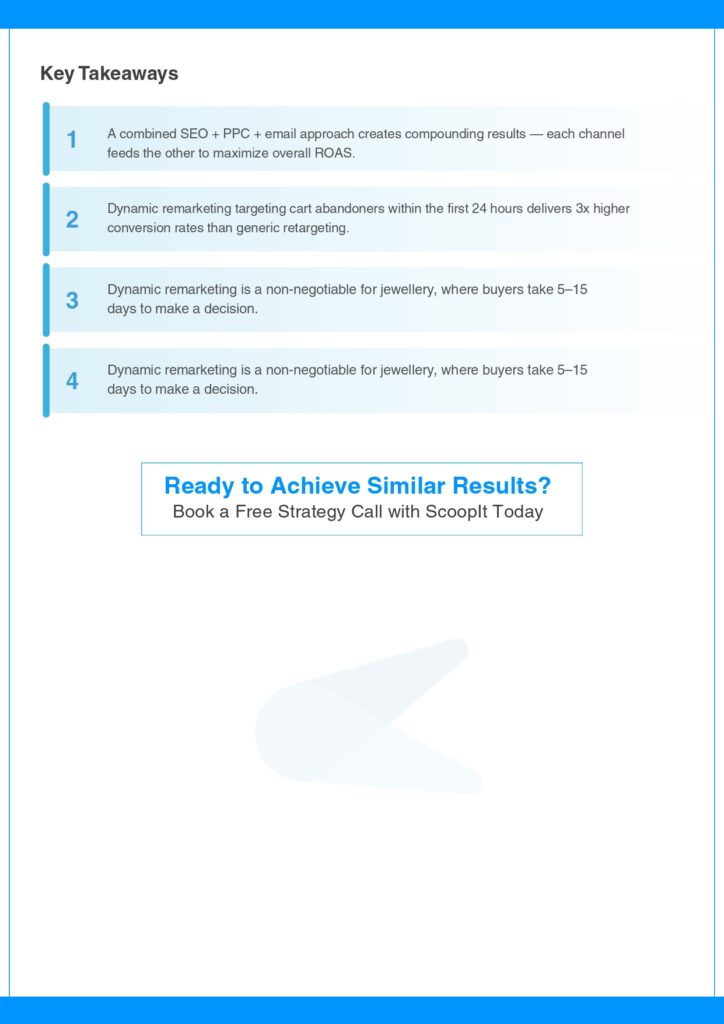
- Fashion: Improved ROAS from 1.5x to 4x within three months.
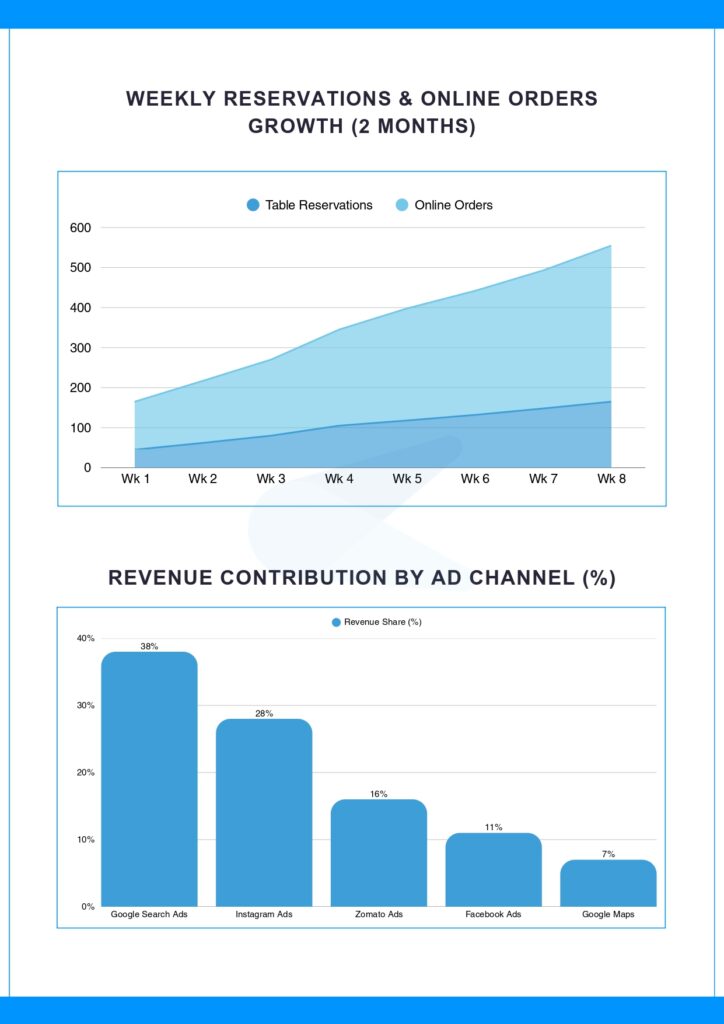
These anonymized examples demonstrate how audience targeting, creative testing, and campaign optimization support different business objectives.
How Much Does Performance Marketing Cost?
Performance marketing costs depend on your industry, competition, audience, advertising platforms, and campaign objectives.
Most budgets include two components:
- Ad spend: Money paid directly to advertising platforms.
- Management fee: Payment for strategy, campaign management, creative support, and optimization.
Agencies typically charge a fixed monthly retainer, a percentage of ad spend, or a performance-linked fee. Start with a controlled testing budget, evaluate results, and scale campaigns based on performance.
How to Choose the Right Performance Marketing Agency
Before hiring a performance marketing company or lead generation agency, evaluate:
- Google Partner and Meta Business Partner credentials.
- Case studies supported by measurable results.
- Transparent reporting and advertising account ownership.
- Creative development and landing page support.
- Industry experience and a clear testing process.
Scoopit brings 8+ years of digital marketing experience, 1,200+ campaigns managed, and experience supporting 300+ businesses across 50+ industries. Its platform partnerships and campaign experience support an outcome-focused approach.
Explore Scoopit’s performance marketing services to understand how paid media strategies support business growth.
Conclusion
Performance marketing makes every advertising rupee accountable through clear goals, accurate tracking, and continuous optimization. Choosing the right channels and monitoring meaningful metrics helps businesses generate better leads and improve returns. Scoopit combines campaign strategy, creative testing, paid media, and performance analytics to help businesses grow. Book a free strategy call with Scoopit to identify opportunities for your next campaign.
Every business wants to know one thing before investing in advertising: what results will the money generate? Traditional advertising often makes this difficult to measure. Performance marketing addresses this challenge by connecting advertising spend with measurable outcomes such as leads, sales, bookings, and app installations. As advertising costs increase, businesses need greater control over their marketing budgets. This guide explains what performance marketing is, how it works, which channels deliver results, and how to choose the right agency.
Table of Contents
- What Is Performance Marketing?
- Common Performance-Based Pricing Models
- How Performance Marketing Works
- Key Performance Marketing Channels
- Performance Marketing Metrics That Matter
- Performance Marketing vs Digital Marketing vs Brand Marketing
- Performance Marketing Examples: Results from Scoopit’s Campaigns
- How Much Does Performance Marketing Cost?
- How to Choose the Right Performance Marketing Agency
- Conclusion
What Is Performance Marketing?
Common Performance-Based Pricing Models
- CPC (Cost Per Click): Payment based on ad clicks.
- CPL (Cost Per Lead): Cost incurred for each generated lead.
- CPA (Cost Per Acquisition): Cost of acquiring a customer or completing a defined action.
- CPS (Cost Per Sale): Payment based on completed sales.
How Performance Marketing Works
Performance marketing follows a continuous testing and optimization process.
- Set clear goals: Define targets such as cost per lead, customer acquisition cost, or ROAS.
- Set up tracking: Configure GA4, Meta Pixel, Conversions API, and Google Ads conversion tracking.
- Build audiences and creatives: Develop targeted advertisements for different customer journey stages.
- Launch and test: Compare creatives, audiences, and landing pages through A/B testing.
- Optimize and scale: Increase investment in successful campaigns and improve or pause underperforming ones.
This test, measure, and scale approach forms the foundation of effective performance marketing services.
Key Performance Marketing Channels
| Channel | Best For | Typical Goal |
|---|---|---|
|
Google Ads
|
High-intent searches |
Leads and sales |
|
Meta Ads |
Engagement and leads |
Engagement and leads |
|
YouTube Ads
|
YouTube AdsVideo-based campaigns
|
Awareness and conversions
|
|
LinkedIn Ads
|
B2B businesses
|
Professional leads
|
|
Amazon Ads
|
Ecommerce products
|
Product sales
|
Google captures existing search demand, while Meta and YouTube help businesses reach audiences through discovery and engaging content. WhatsApp click-to-chat campaigns also support direct customer conversations and remarketing.
A Google Ads agency or Meta Ads agency should select platforms based on business objectives rather than promoting one channel for every campaign.
Performance Marketing Metrics That Matter
| Metric | Meaning | Formula |
|---|---|---|
|
CPC
|
Cost per click
|
Ad Spend ÷ Clicks
|
|
CTR |
Click-through rate
|
Clicks ÷ Impressions × 100 |
|
CPL
|
Cost per lead
|
Ad Spend ÷ Leads
|
|
CPA
|
Cost per acquisition
|
Ad Spend ÷ Acquisitions
|
|
ROAS |
Return on ad spend
|
Revenue ÷ Ad Spend
|
Performance Marketing vs Digital Marketing vs Brand Marketing
Digital marketing is the broader category covering online marketing activities such as SEO, social media, content, and paid advertising.
Performance marketing focuses on measurable campaign outcomes, while brand marketing builds recognition, trust, and long-term demand.
The strongest strategy combines all three approaches to attract customers and convert them effectively.
Performance Marketing Examples: Results from Scoopit's Campaigns
Scoopit’s campaign portfolio includes results across multiple industries:
- Jewellery: 6.2x ROAS, ₹1.8 crore revenue, and a 74% increase in bridal sales.
- EdTech: 740+ leads, 178 enrolments, and an 87% reduction in cost per lead.
- Real Estate: 180+ monthly leads, 16x ROI, and ₹8 crore revenue.
- Fashion: Improved ROAS from 1.5x to 4x within three months.
These anonymized examples demonstrate how audience targeting, creative testing, and campaign optimization support different business objectives.
How Much Does Performance Marketing Cost?
Performance marketing costs depend on your industry, competition, audience, advertising platforms, and campaign objectives.
Most budgets include two components:
- Ad spend: Money paid directly to advertising platforms.
- Management fee: Payment for strategy, campaign management, creative support, and optimization.
Agencies typically charge a fixed monthly retainer, a percentage of ad spend, or a performance-linked fee. Start with a controlled testing budget, evaluate results, and scale campaigns based on performance.
How to Choose the Right Performance Marketing Agency
Before hiring a performance marketing company or lead generation agency, evaluate:
- Google Partner and Meta Business Partner credentials.
- Case studies supported by measurable results.
- Transparent reporting and advertising account ownership.
- Creative development and landing page support.
- Industry experience and a clear testing process.
Scoopit brings 8+ years of digital marketing experience, 1,200+ campaigns managed, and experience supporting 300+ businesses across 50+ industries. Its platform partnerships and campaign experience support an outcome-focused approach.
Explore Scoopit’s performance marketing services to understand how paid media strategies support business growth.
Conclusion
Performance marketing makes every advertising rupee accountable through clear goals, accurate tracking, and continuous optimization. Choosing the right chan
nels and monitoring meaningful metrics helps businesses generate better leads and improve returns. Scoopit combines campaign strategy, creative testing, paid media, and performance analytics to help businesses grow. Book a free strategy call with Scoopit to identify opportunities for your next campaign.
FAQ
1. What is performance marketing in simple words?
Performance marketing is online advertising where businesses measure campaign success through outcomes such as clicks, leads, sales, and conversions.
2. Is performance marketing the same as digital marketing?
No. Digital marketing covers all online marketing activities, while performance marketing focuses on measurable advertising outcomes.
3. Which channels are best for performance marketing?
Google Ads, Meta Ads, YouTube, LinkedIn, Amazon Ads, and WhatsApp campaigns are common options. The right choice depends on your business goals and audience.
4. How much budget do I need to start performance marketing?
Your starting budget depends on industry competition, campaign objectives, and target audience. Begin with a controlled test budget and scale based on results.
5. How long does performance marketing take to show results?
Paid campaigns can generate early traffic and leads soon after launch. Consistent optimization and sufficient conversion data are needed to evaluate sustainable performance.
6. What does a performance marketing agency do?
A performance marketing agency plans, launches, tracks, and optimizes paid campaigns to generate measurable outcomes such as qualified leads, sales, and improved advertising returns.