
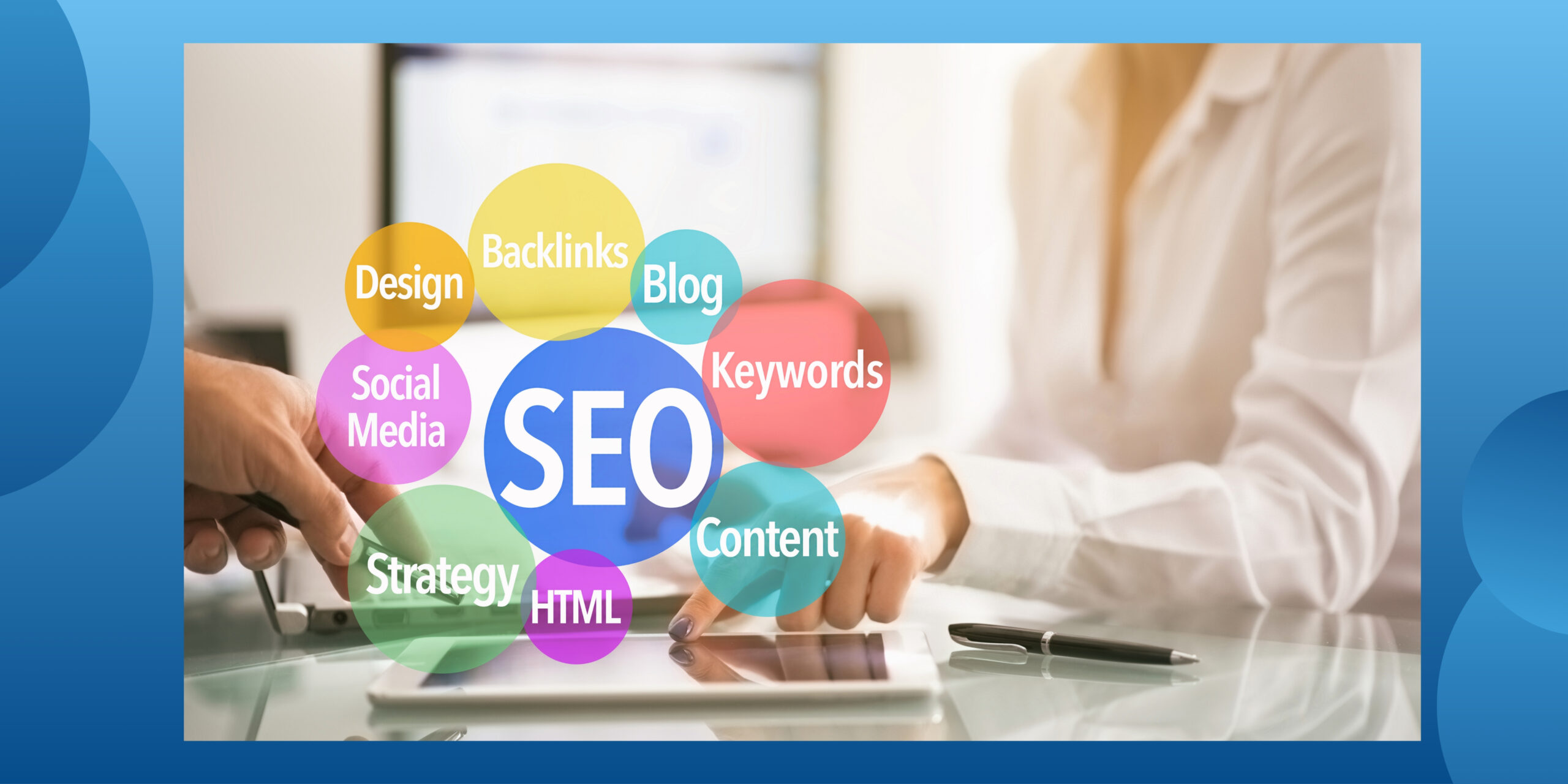
In today’s digital marketplace, visibility is everything. But when you search for “SEO”, you might assume it strictly means organic optimisation. In reality, there’s a parallel strategy known as paid SEO—and it’s gaining traction for a reason.
If you’re wondering what is paid SEO, how it works, and why paid SEO services matter, this guide will walk you through it step-by-step.
Paid SEO
At its core, “paid SEO” refers to the strategy of using paid placements—typically via search engines or ads—to gain visibility in search results, as opposed to relying solely on organic ranking. Some experts note that the term is a bit of a misnomer—what’s really happening is paid search engine marketing (SEM) or pay-per-click (PPC) advertising—but for many marketers, it falls under the umbrella of paid SEO.
In simple terms: you pay to bid on keywords, display ads (often atop search engine results pages), and drive visitors to your site. Because you control the spend, the targeting, and the timeline, the strategy offers speed and control compared with waiting months for organic ranking to kick in.
How Does Paid SEO Work?
Understanding how paid SEO works involves breaking it into a few key steps:
- Keyword bidding: You select keyword terms relevant to your business, and bid for placement when users search those terms. The higher your bid (and the better your ad quality), the greater your visibility.
- Ad creation & targeting: You craft ad copy, choose landing pages, set geographic/demographic filters, and define budgets.
- Campaign launch: Your ads appear—usually labelled as “Ad” or “Sponsored”—typically above or alongside organic results.
- Monitoring & optimisation: You track metrics like click-through rate (CTR), cost-per-click (CPC), conversion rate, and return on ad spend (ROAS). Based on performance, you refine your keywords, bids, ad copy, and landing pages.
- Integration with SEO: Paid data (which keywords convert, which ads engage) can inform your organic optimisation. At the same time, a strong organic presence supports credibility for your paid campaigns.
Because you are paying for visibility, the moment you stop the spend, the traffic generally stops. That is one of the key trade-offs compared with purely organic SEO.
Why Paid SEO Matters (Paid SEO Importance)?
There are several compelling reasons why businesses engage paid SEO services and strategies:
- Immediate visibility: Unlike organic SEO, which can take months to show results, a paid-SEO campaign can put you at the top of the results almost immediately. That matters when you’re launching a new product, entering a competitive market, or working against time.
- Controlled targeting: Paid campaigns allow granular control over who sees your message—by keyword, location, device, time, behaviour. That precision increases relevance and can improve conversion.
- Data & insights: Paid campaigns offer rich analytics—what keywords work, what messaging connects, what audience segments convert. That data can feed your organic strategy and broader marketing plan.
- Brand dominance in SERPs: When you appear both in paid ads and organic listings, you occupy more screen real estate and reinforce your credibility. That synergy boosts click-through and trust.
- Flexible scaling: If you have a budget and the campaign is working, you can scale up quickly. Conversely, you can pause or adjust when the budget dictates.
- Competitive edge: In highly competitive keyword landscapes, organic alone may not suffice. Paid SEO services let you fast-track visibility while you build organic momentum concurrently.
Paid SEO Services: What You Should Expect?
When a firm offers paid SEO services, what do they typically deliver?
- Keyword research and competitive analysis
- Ad copywriting and creative asset development
- Campaign set-up across platforms (e.g., Google Ads, Bing Ads) with bidding strategies and targeting
- Landing page recommendations and optimisation
- Ongoing monitoring, reporting, and optimisation
- Integration with organic SEO efforts (so your paid and unpaid activities work in harmony)
In fact, agencies such as Scoopit list both SEO and PPC under their services menu—reflecting the overlap and interplay between paid and organic strategies.
Best Practices & Common Pitfalls
To maximise your paid SEO campaigns, here are some best practices and things to avoid:
Best practices:
- Align your ad copy, landing page, and keyword intent so users find what they expect.
- Use conversion-tracking to tie ad spend to business results, not just clicks.
- Regularly test variants (A/B testing) of ad copy, landing pages, and keyword match types.
- Leverage paid data for organic SEO (e.g., identifying high-conversion keywords to optimise for organic).
- Maintain consistent branding and messaging across paid + organic channels so the user experience is seamless.
Common pitfalls:
- Focusing purely on clicks rather than conversions (which may lead to wasted spend).
- Ignoring the landing page experience—if your site is slow or irrelevant, you’ll pay more for each click.
- Operating paid campaigns in isolation from organic SEO—missing the synergy reduces long-term benefit.
- High-competition keywords without control mechanisms may drive costs up rapidly.
When Should You Use Paid SEO?
Here’s when paid SEO becomes especially strategic:
- You’re launching a new product or service and need visibility fast.
- You’re in a competitive niche where organic ranking is tough or slow.
- You need to test keywords or market response before committing long-term organic content efforts.
- You have a time-limited offer or seasonal campaign.
- You want to support your organic efforts by filling visibility gaps while they mature.
How Paid SEO & Organic Work Together
Though sometimes treated as separate, paid SEO and organic SEO can be powerful when combined. Paid campaigns can test and refine keyword ideas that you later build organic content around. Organic ranking builds trust, which improves paid ad performance (better Quality Scores, lower CPCs). This combined strategy ensures you’re not just buying clicks but investing in long-term growth and credibility.
Conclusion
Paid SEO delivers the speed, control, and targeting that organic alone cannot—but it works best when combined with a solid organic strategy. Organisations that invest in paid SEO services while steadily building their organic presence are positioned for both immediate wins and sustainable growth. Make sure your paid efforts align with the big picture: the search experience, the user journey, and your business goals.
FAQs
Q1. What’s the difference between paid SEO and organic SEO?
Paid SEO involves paying for ad placements or visibility (often via PPC), whereas organic SEO focuses on optimising your website and content to earn ranking without paying for placement.
Q2. How does paid SEO work in practice?
You select keywords, create ad campaigns, set targeting and budget, launch ads on search engines, monitor performance, optimise bids and copy, and integrate learnings into your broader strategy.
Q3. Why is paid SEO important in competitive markets?
Because organic rankings can take time and may be difficult in saturated spaces, paid SEO services give you immediate visibility, help you test messaging and keywords quickly, and allow you to gain an edge over slower competitors.
Q4. Can I rely only on paid SEO and skip organic SEO?
You could—but it’s risky. Paid campaigns stop delivering once you stop spending. Organic SEO builds long-term value, trust, and cost-efficiency. The smartest approach is a mix of both.
Q5. How do I choose a good paid SEO services provider?
Look for agencies that offer clarity around keyword strategy, targeting, ad creation, landing-page optimisation, transparent reporting, and integration with organic SEO rather than treating paid as a siloed effort.