Instagram has been declared dead more times than anyone can count. And yet, here we are in 2026, and it remains one of the most powerful platforms for businesses that know how to use it.
The businesses struggling on Instagram aren’t struggling because the platform is declining. They’re struggling because they’re using 2021 strategies in a 2026 environment.
Here’s what’s actually working right now.
How Instagram Has Changed, And What It Means for You?
The algorithm has shifted decisively toward content discovery over follower reach. Your posts don’t just go to your followers anymore; they go to people who’ve never heard of you, based on interest signals and engagement patterns.
This is actually good news for businesses. You don’t need a large following to reach a large audience. You need content worth watching.
Short-form video, Reels specifically, is still the highest-reach format on the platform. If your business isn’t making Reels, you’re essentially capped on how many new people you can reach organically.
Setting Up Your Profile for Discoverability
Most business profiles are set up for existing followers, not new visitors. That’s a missed opportunity.
Your profile name and bio should include keywords, not just your brand name. Instagram has a search function, and people use it. If you’re a branding agency in Hyderabad, “Branding & Digital Marketing Agency | Hyderabad” in your name field will surface you in more searches than just your brand name alone.
Your profile link should go to a page that converts, a lead form, a booking page, or a specific landing page, not just your homepage.
Content Formats That Drive Results in 2026
Reels: Still the highest-reach format. Keep them between 15 and 30 seconds for maximum distribution. Hook in the first 2 seconds; if you don’t stop the scroll immediately, you’ve lost them. Educational, behind-the-scenes, and opinion-driven content consistently outperforms promotional content.
Carousels: Excellent for depth. Instagram pushes carousels to non-followers who engage with the first slide, and the swipe behaviour signals interest to the algorithm. Use them for step-by-step guides, before/after showcases, and data-led insights.
Stories: Undervalued for business. Daily Stories keep your existing audience warm, create a sense of behind-the-scenes access, and drive direct message conversations, which are one of the strongest conversion paths on the platform.
Static posts: Still have a place, particularly for announcements, quotes, and polished brand content. But they reach far fewer new accounts than Reels or Carousels.
How Often Should a Business Post?
Consistency matters more than frequency. Three high-quality posts a week will outperform seven rushed ones.
A sustainable weekly rhythm for most businesses: 2 Reels, 1 Carousel, and daily Stories. This gives you reach (Reels), depth (Carousel), and daily touchpoints (Stories) without burning out your team.
Instagram Ads: Making Paid Promotion Work
Boosting a post and running a proper ad campaign are not the same thing. Boosting sends your content to a vague audience. A proper campaign through Meta Ads Manager lets you define exactly who sees it, by interest, behaviour, location, age, and custom or lookalike audiences.
For most businesses, the most effective Instagram ad formats in 2026 are:
- Reels ads, high reach, low CPM
- Story ads, effective for direct response
- Lead form ads, capture enquiries without needing people to visit your website
Always test at least two or three creative variations. The difference in performance between ad creatives is often more significant than any audience targeting change.
Read More: Improve Social Media Engagement for Your Business
Instagram by Business Type
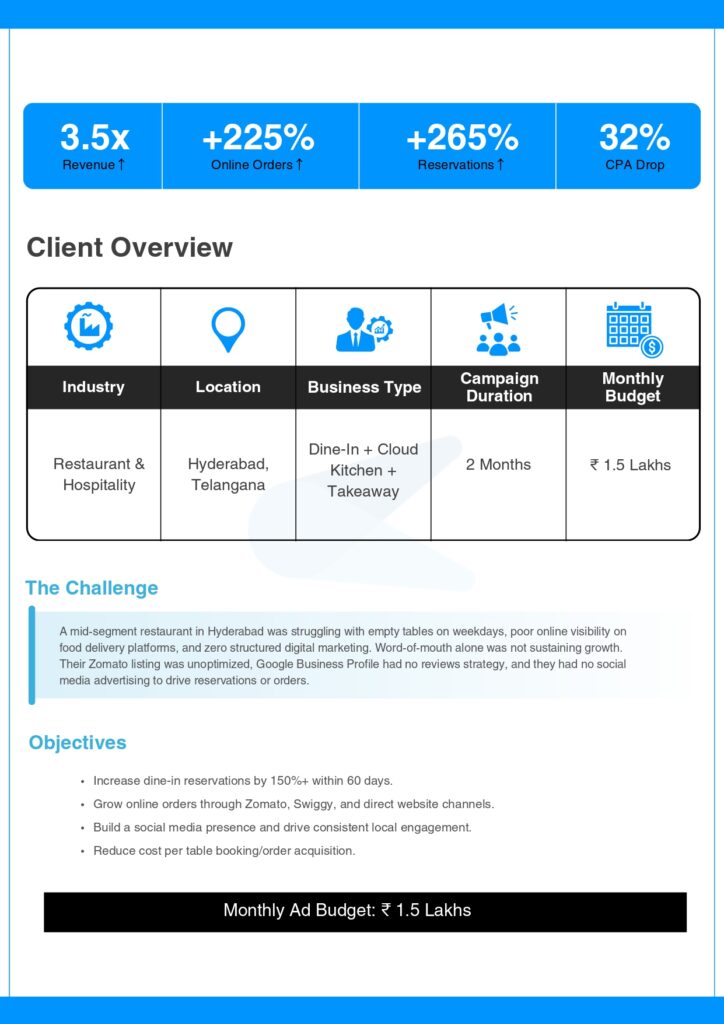
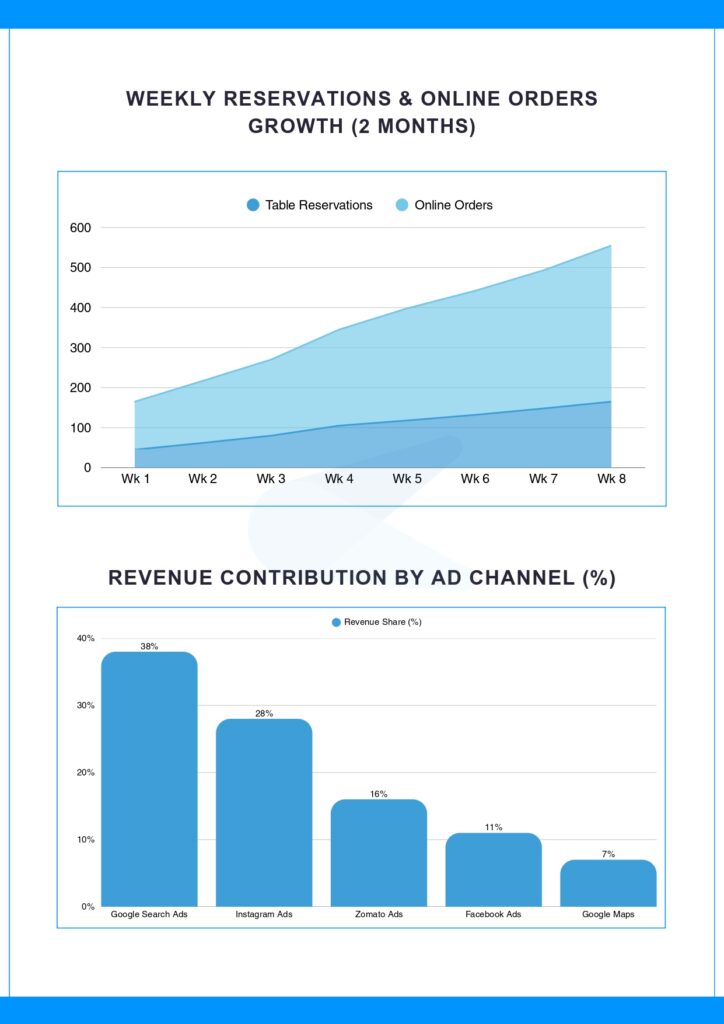
Restaurants and hospitality: Food content, ambiance Reels, and kitchen behind-the-scenes consistently drive footfall. User-generated content and reposting customer stories build community.
E-commerce: Product demos, styling guides, unboxing Reels, and review reposts. Shoppable posts are worth setting up if you haven’t yet.
Service businesses: Educate, don’t just promote. Share insights, answer common questions, and demonstrate expertise. Trust is the product here.
Conclusion
Instagram marketing for businesses in 2026 rewards those who create content that their audience genuinely finds useful or interesting, and pair that with smart paid amplification.
The brands seeing the best results aren’t necessarily spending the most. They’re showing up consistently with content that actually serves their audience.
If you’re looking to build a stronger social media presence as part of a wider digital strategy, ScoopIt’s social media team works with businesses across industries to develop content and campaign approaches that go beyond just posting.
FAQs: Instagram Marketing for Businesses
Q1. How many followers do I need before Instagram marketing works for my business?
Follower count matters less than content quality. Reels can reach thousands of non-followers regardless of your following size. Focus on content first.
Q2. Is it worth running Instagram ads for a small business?
Yes, especially for local businesses. Instagram ads can be run with modest daily budgets and targeted very specifically by location, interest, and behaviour.
Q3. What type of content gets the most engagement on Instagram in 2026?
Short Reels (15–30 seconds) with a strong hook, carousels with educational value, and Stories that show authentic behind-the-scenes content consistently outperform purely promotional posts.
Q4. How do I turn Instagram followers into customers?
Guide followers toward a conversion path, a link in bio to a landing page, a DM conversation triggered by a Story CTA, or a lead form ad. Followers rarely convert unless there’s a clear next step.
Q5. Should I use hashtags on Instagram in 2026?
Hashtags have less algorithmic impact than they once did. A small set of 5–8 highly relevant hashtags is still useful, but keyword-rich captions and engaging content matter more for reach.