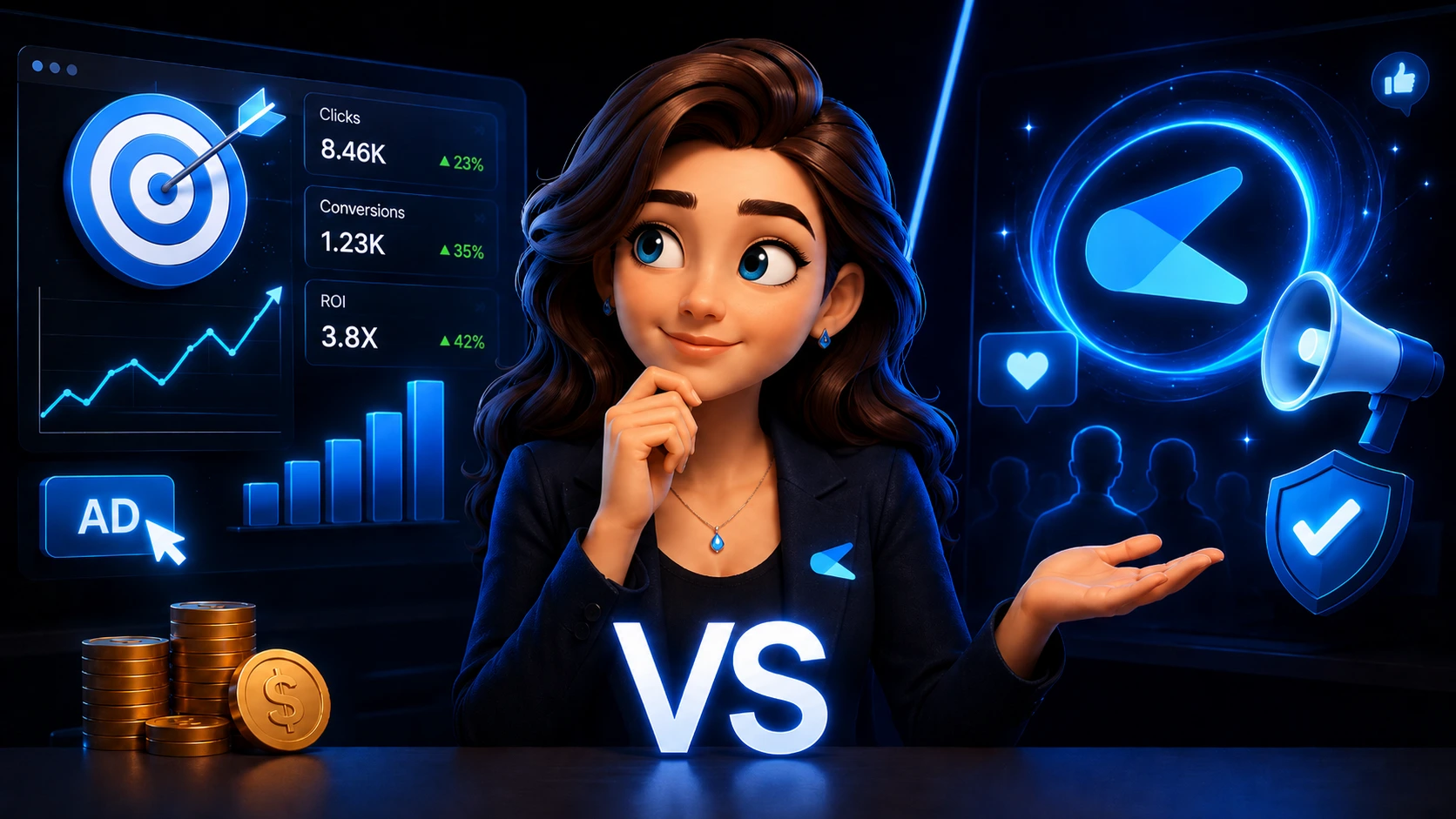
If you’ve ever sat in a marketing meeting where half the room wants to “build the brand” and the other half wants leads by Friday, you already understand this tension.
Performance marketing and brand marketing aren’t enemies. But they serve different purposes, operate on different timelines, and require different mindsets. Knowing which one your business needs right now can make the difference between smart spending and wasted budget.
Let’s Clear Up the Confusion First
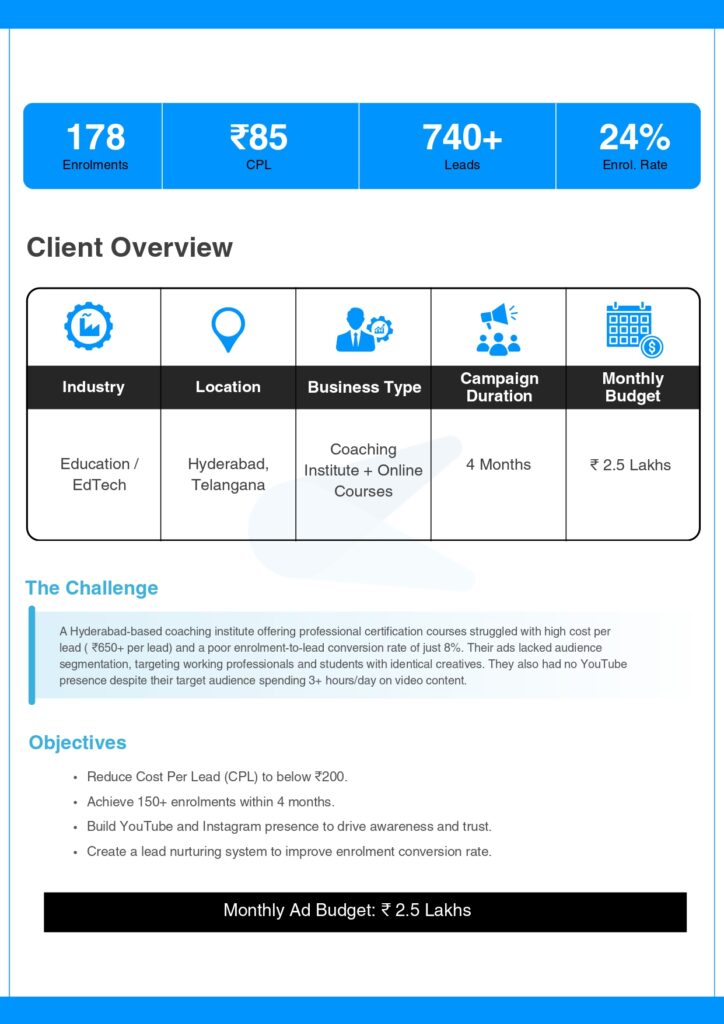
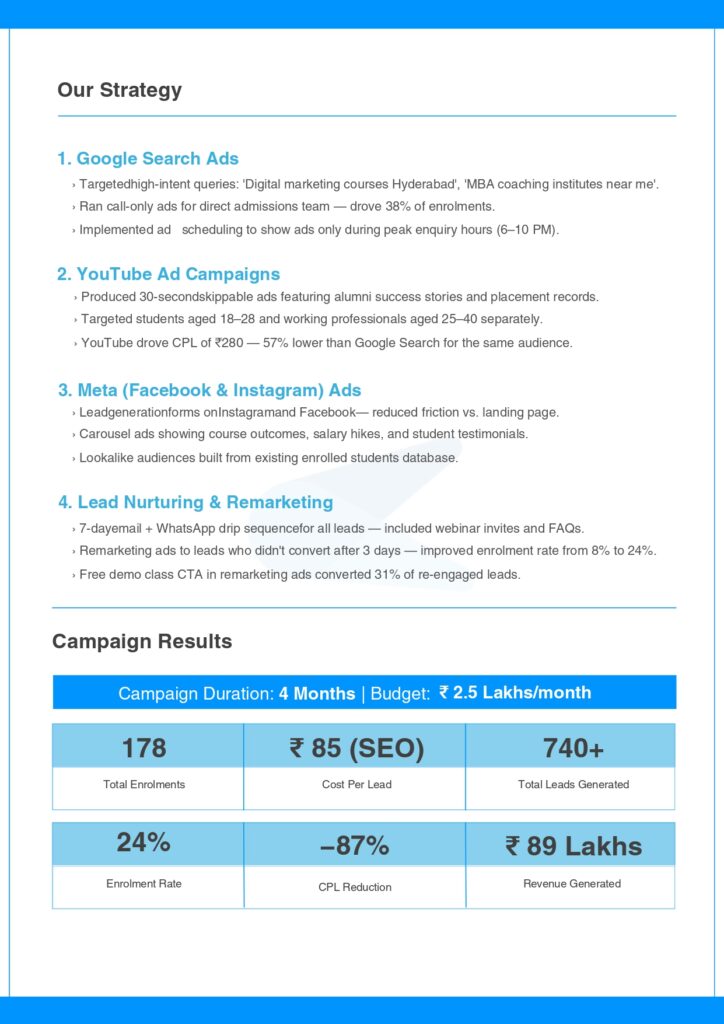
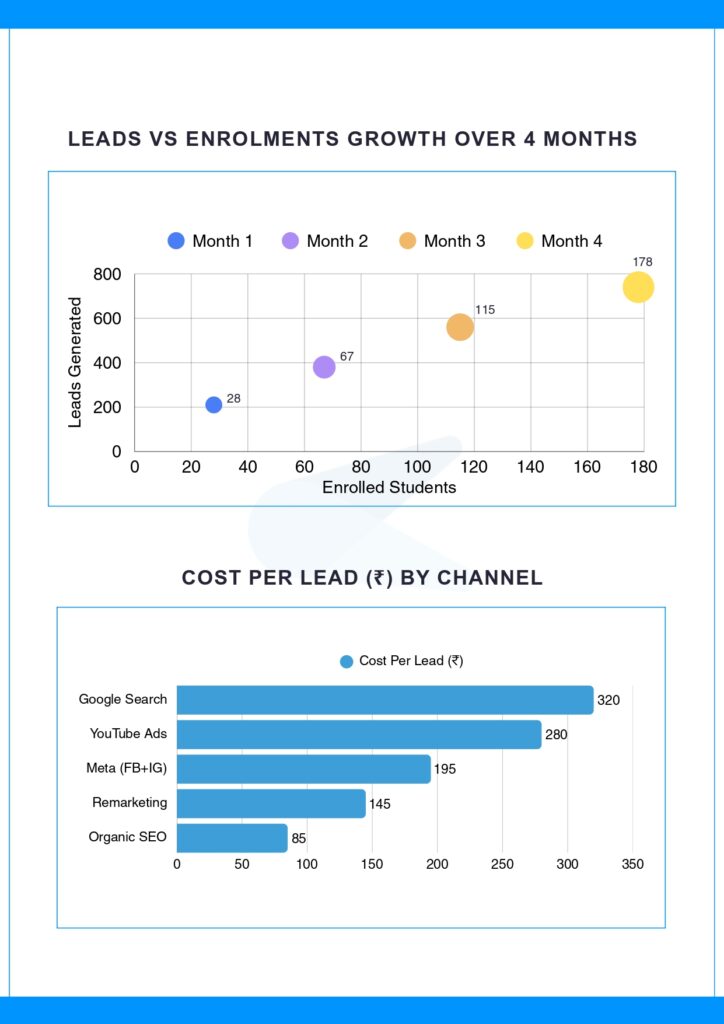
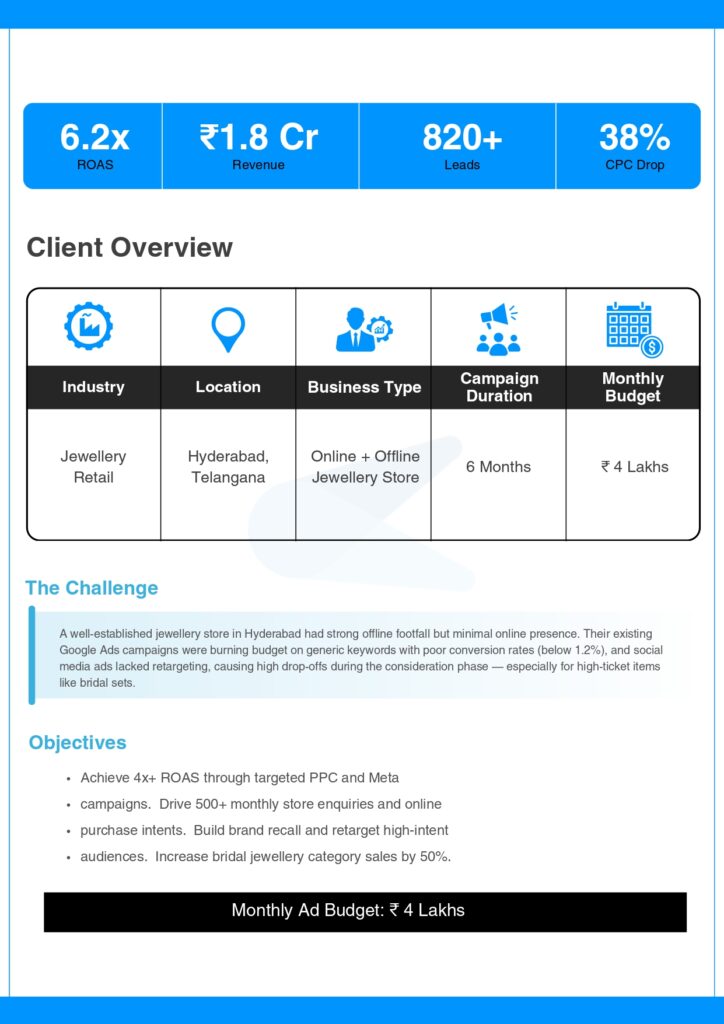
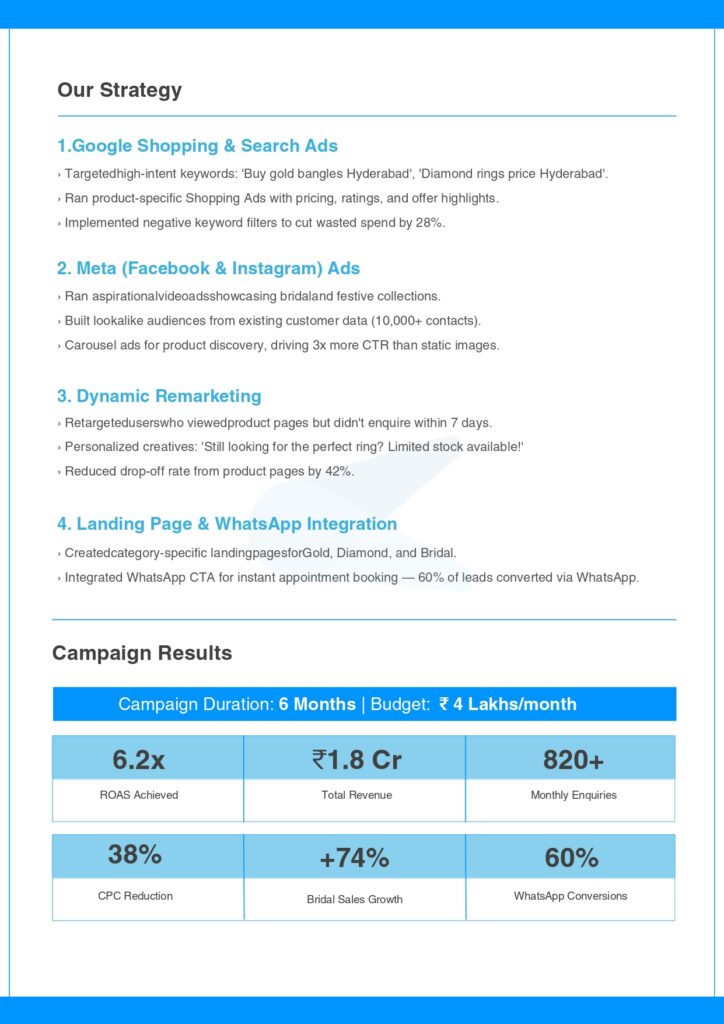
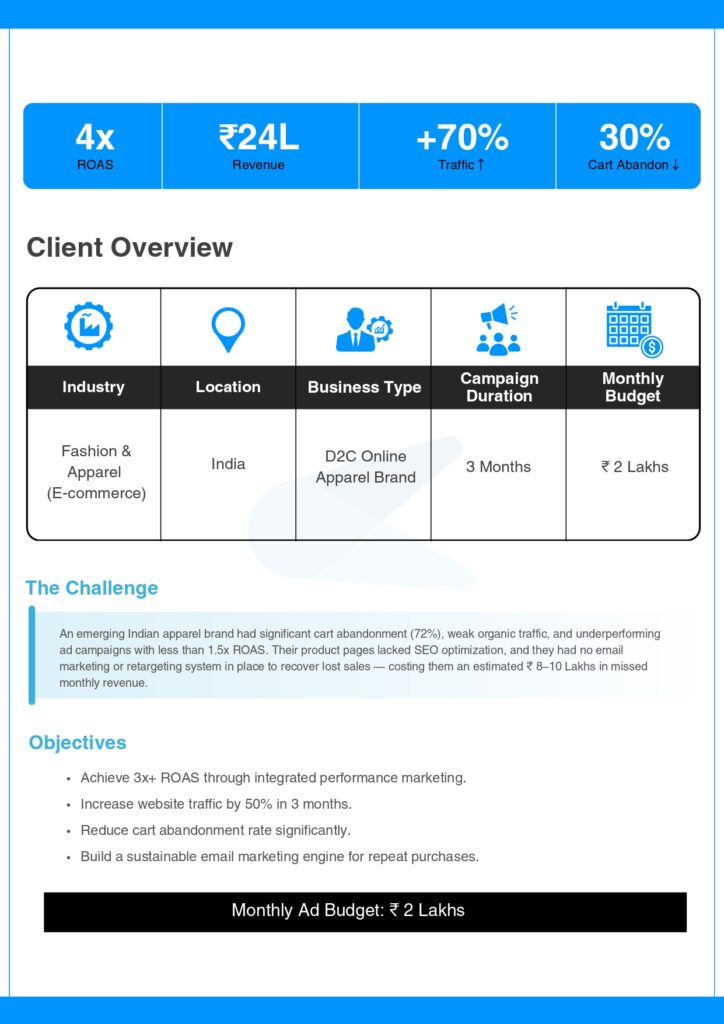
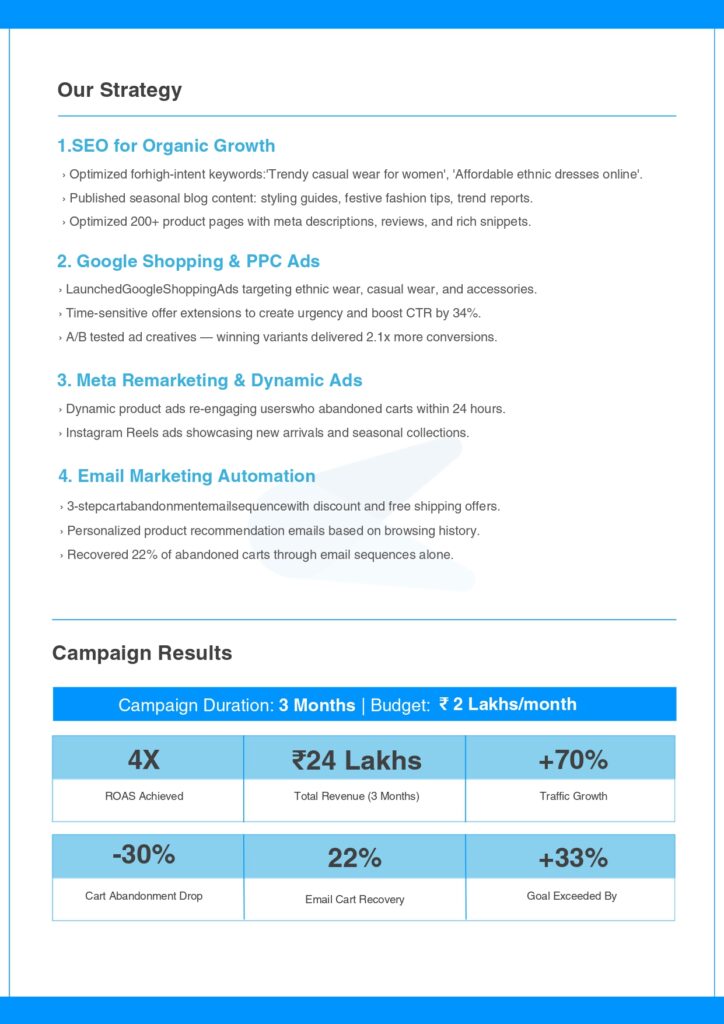
Performance marketing is any marketing activity where you pay for measurable outcomes, such as clicks, leads, sales, and app installs. Google Ads, Meta Ads, affiliate campaigns, and retargeting all fall here. You know exactly what you spent and what you got in return.
Brand marketing is the longer game. It’s about shaping how people perceive your business before they’re ready to buy. Think brand identity, storytelling, content strategy, thought leadership, and consistency across every touchpoint.
The key difference isn’t really about channels. It’s about intent and timeline.
What Performance Marketing Is Good At?
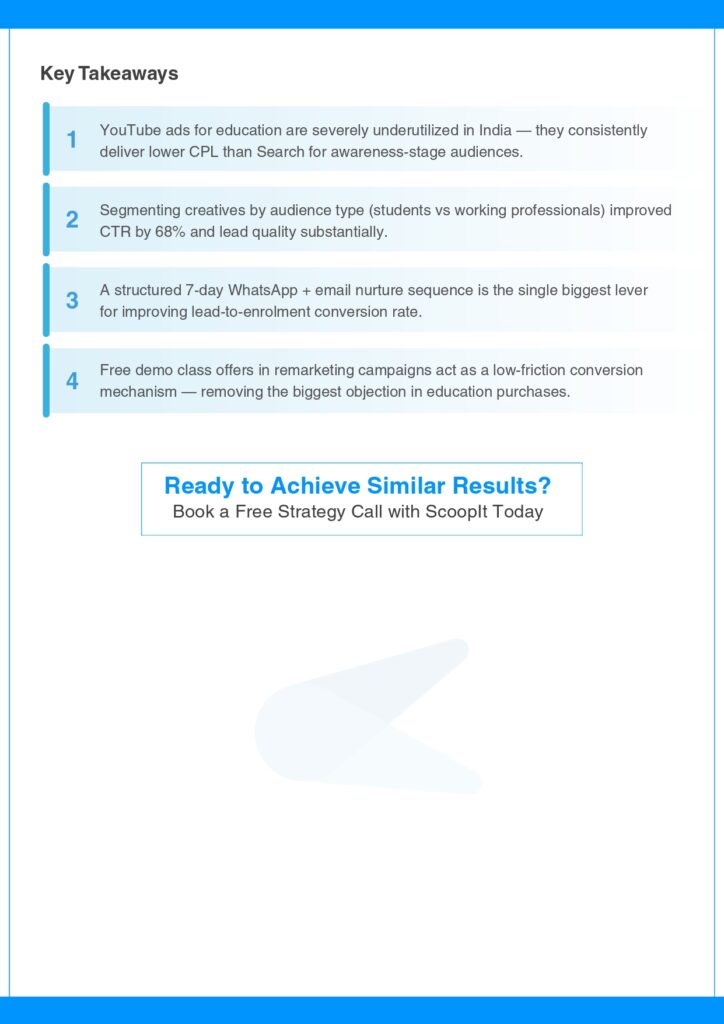
Performance marketing is built for speed and accountability. If you have a specific offer, a defined audience, and a clear conversion goal, it’s the most direct path to results.
It works particularly well when:
- You need to generate revenue or leads quickly
- You’re promoting a time-sensitive offer or product launch
- You have a proven product with existing demand
- You want to scale what’s already working
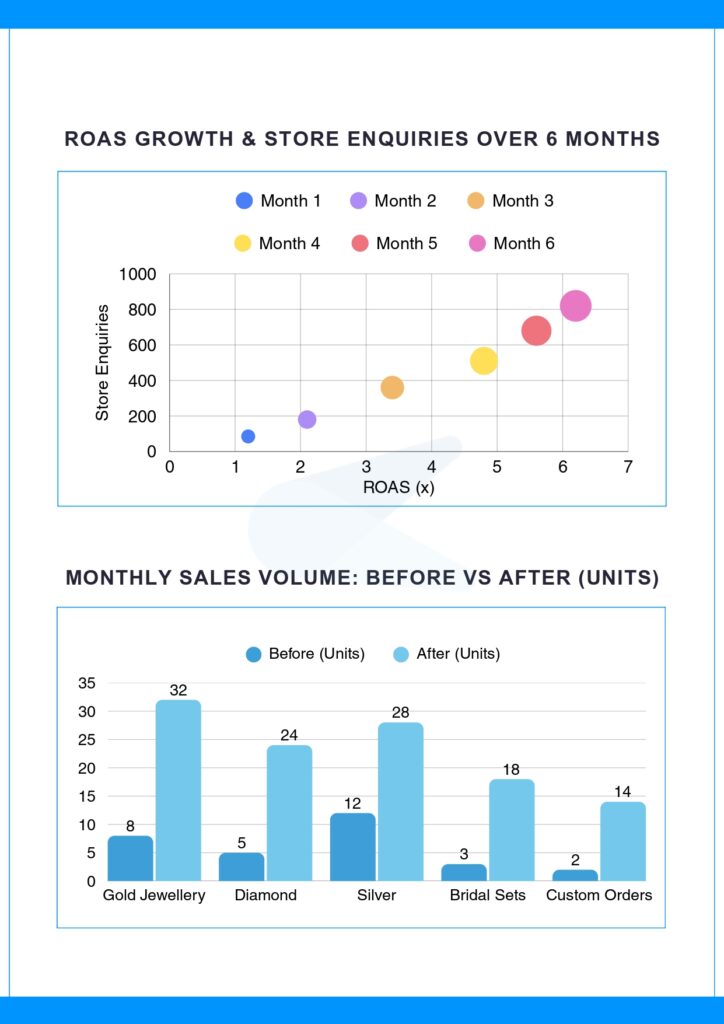
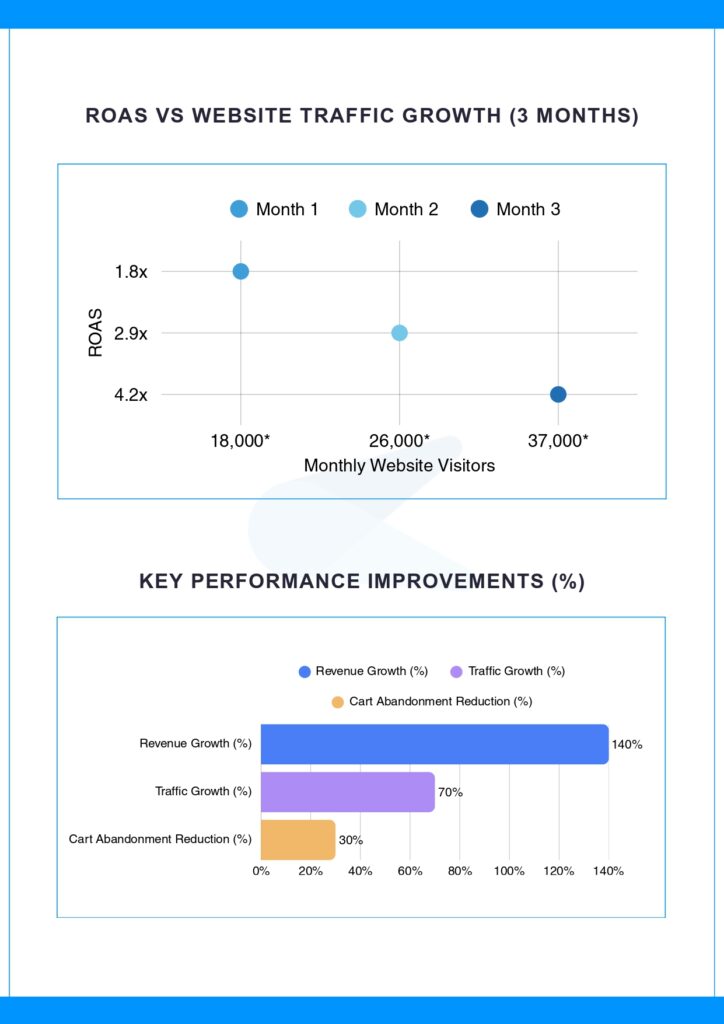
The metric you care about is ROAS (return on ad spend) or CPA (cost per acquisition). If those numbers are healthy, you scale. If not, you optimise.
The limitation? Performance marketing is expensive to sustain long-term if it’s your only channel. Turn off the ads, and the leads stop.
What Brand Marketing Is Good At?
Brand marketing builds something performance marketing can’t buy quickly — trust, recognition, and preference.
When someone sees your ad for the first time and already recognises your brand name, your conversion rate goes up. When someone is choosing between two similar services, they pick the one they’ve heard of. That’s brand equity doing the work.
Brand marketing makes sense when:
- You’re entering a new or competitive market
- Your product or service requires education before purchase
- You want to reduce your cost per acquisition over time
- You’re building for long-term sustainable growth
It’s harder to measure directly, but the compounding effect is real.
Why the Best Businesses Use Both Together?
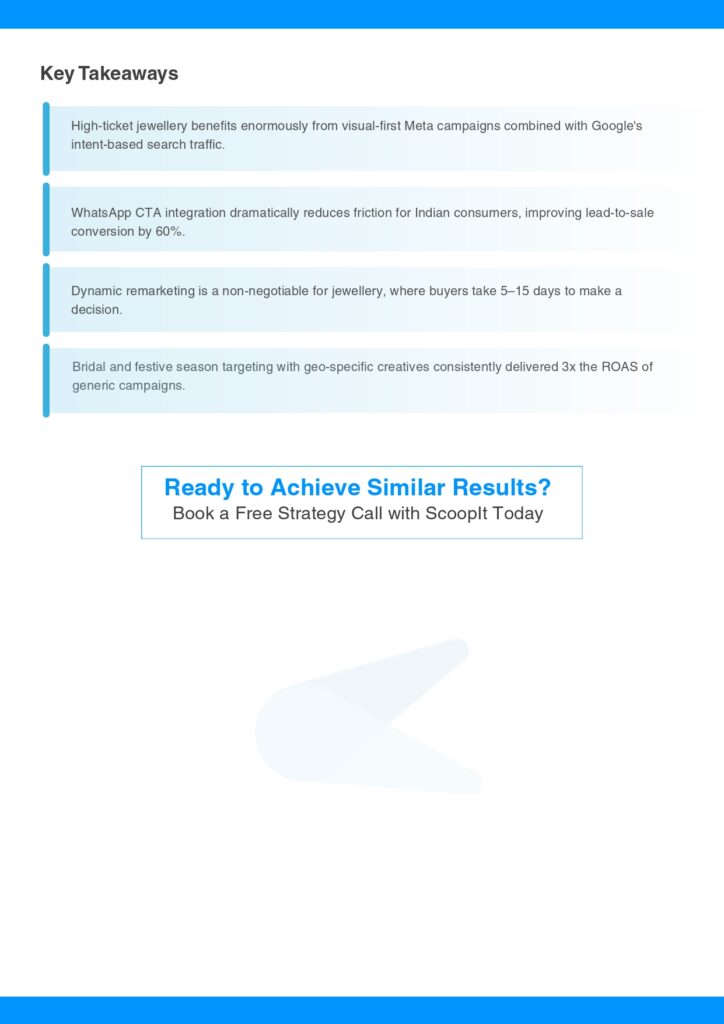
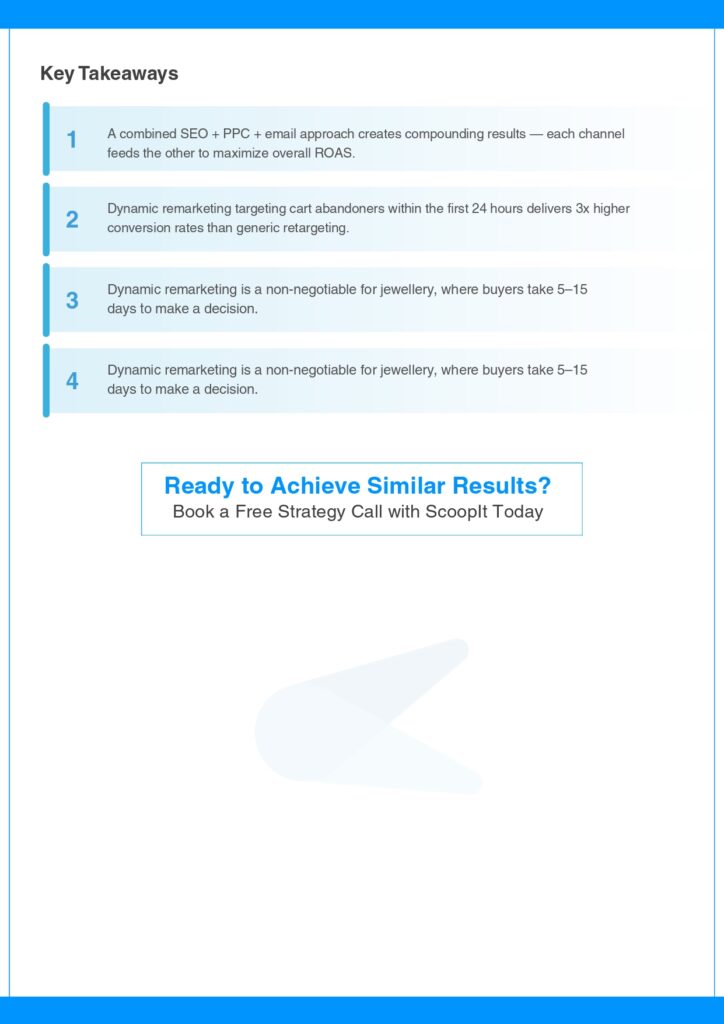
The most effective digital marketing strategy doesn’t choose one over the other; it sequences them deliberately.
Brand marketing fills the top of the funnel. It creates awareness and familiarity. Performance marketing captures the bottom of the funnel — the people who are ready to act.
A business that only runs performance ads is always competing on price and algorithm. A business that invests in brand has warmer audiences, higher conversion rates, and lower ad costs over time.
Think of it this way: performance marketing harvests demand. Brand marketing creates it.
How to Decide What Your Business Needs Right Now?
If you’re a new business with runway to spend: start with enough brand foundation (logo, messaging, a solid website) before running ads — otherwise you’re paying to send traffic to an unconvincing destination.
If you’re an established business with proven offers, performance marketing should be running consistently, while brand content (social, blog, video) builds long-term equity in the background.
If your cost per lead has been creeping up, it’s often a brand signal. Audiences have seen your ads too many times. Fresh brand content and a creative refresh can bring those costs back down.
Conclusion
There’s no universal winner between performance marketing and brand marketing — only the right balance for your current stage and goals. The businesses that grow consistently are the ones that treat both as investments, not expenses.
Agencies like ScoopIt take an integrated approach to this, combining performance campaigns with strong brand foundations to help businesses grow without over-relying on any single channel.
FAQs: Performance Marketing vs. Brand Marketing
Q1. What is the main difference between performance marketing and brand marketing?
Performance marketing focuses on measurable, immediate outcomes like leads and sales. Brand marketing focuses on long-term perception, recognition, and trust.
Q2. Which is more cost-effective — performance or brand marketing?
Performance marketing shows faster ROI. Brand marketing has a higher upfront cost but reduces long-term acquisition costs as your brand becomes more recognised.
Q3. Can a small business afford brand marketing?
Yes. Brand marketing doesn’t always mean big TV budgets. Consistent social media presence, a clear brand voice, and good content are all forms of brand investment.
Q4. How do I measure the ROI of brand marketing?
Track brand search volume, direct website traffic, customer recall surveys, and changes in conversion rate over time — these all reflect brand equity growing.
Q5. Should startups focus on performance or brand marketing first?
Most startups benefit from building a minimum brand foundation first (logo, website, messaging), then activating performance marketing to drive early traction.