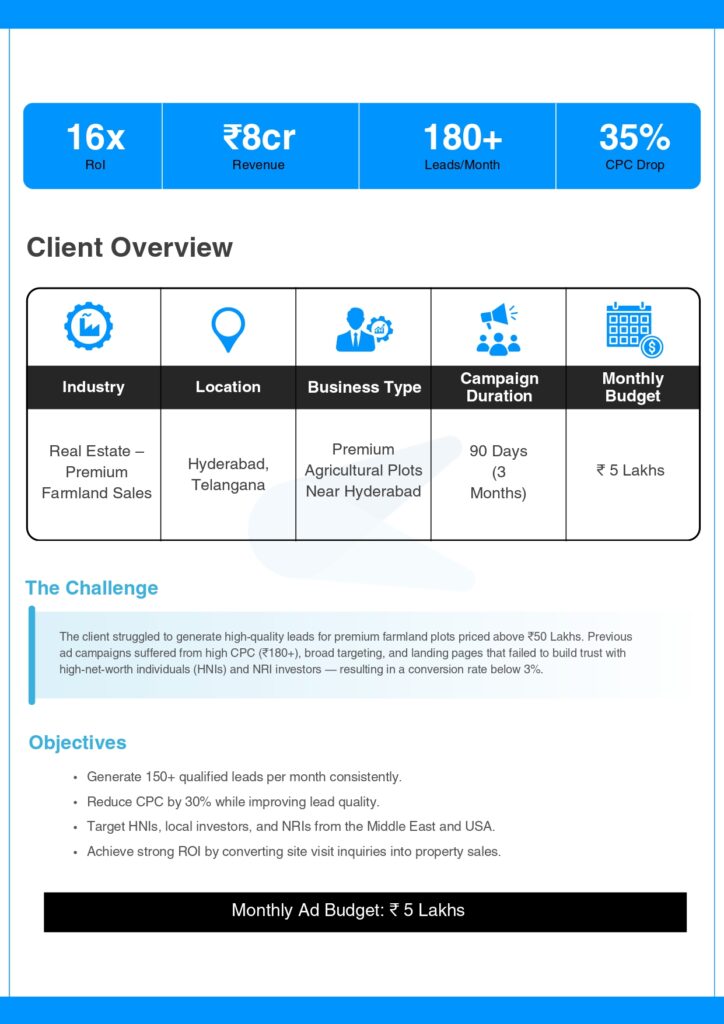
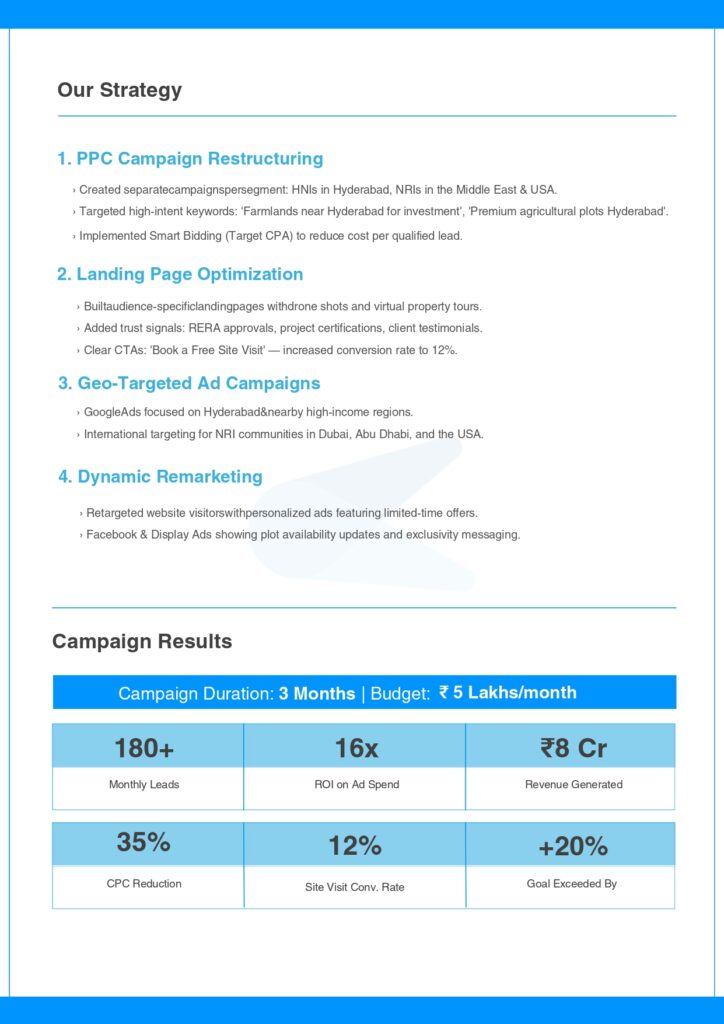
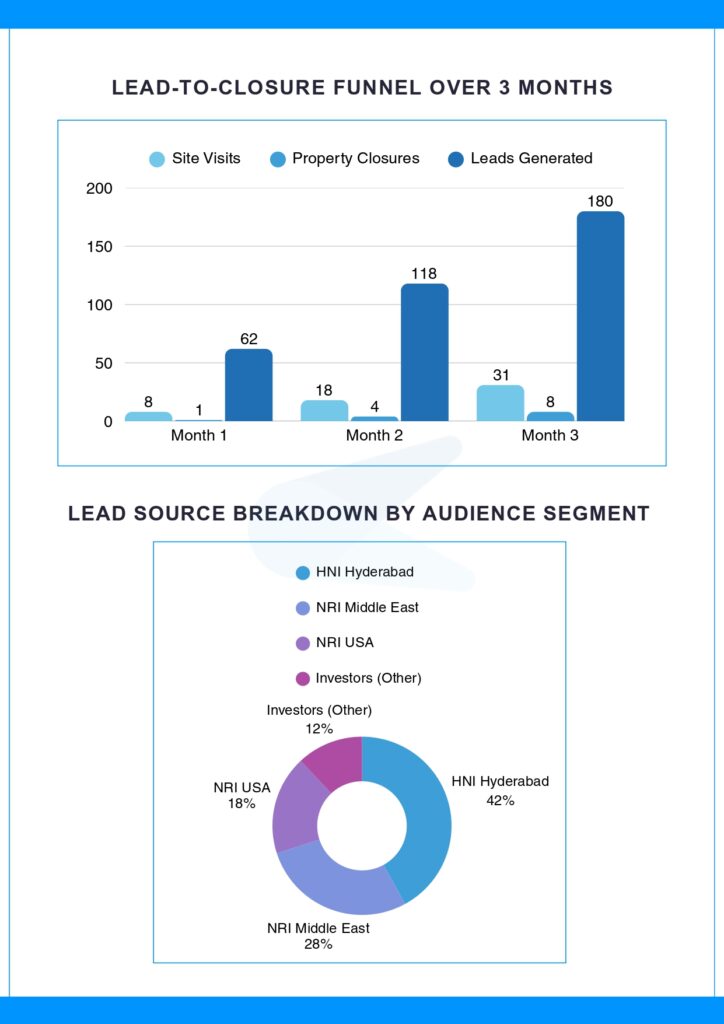
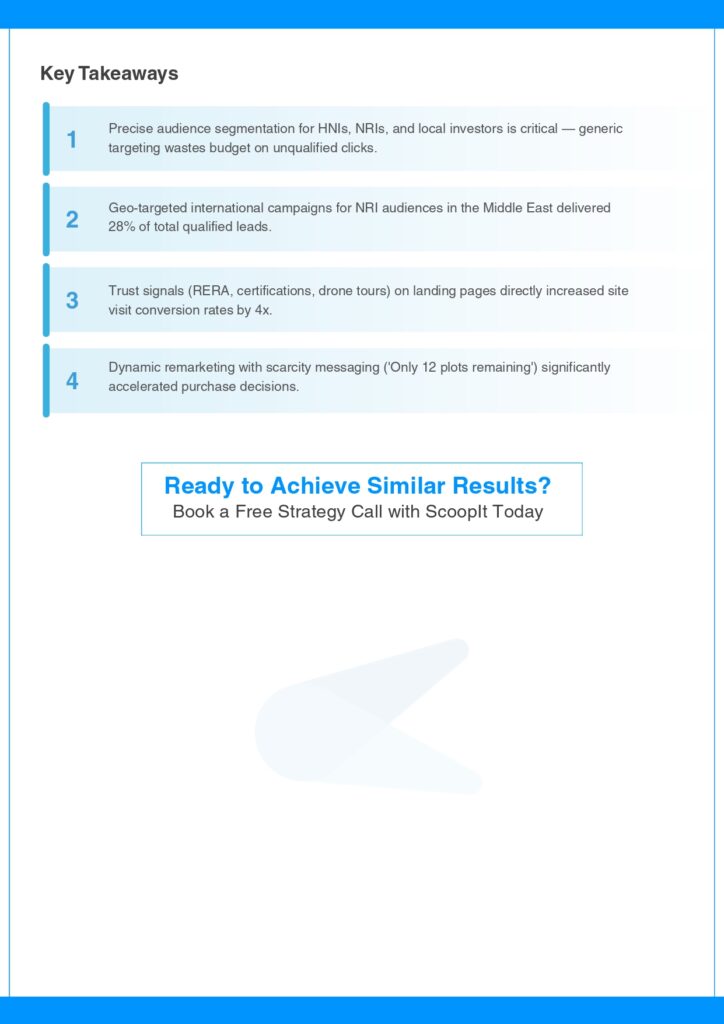
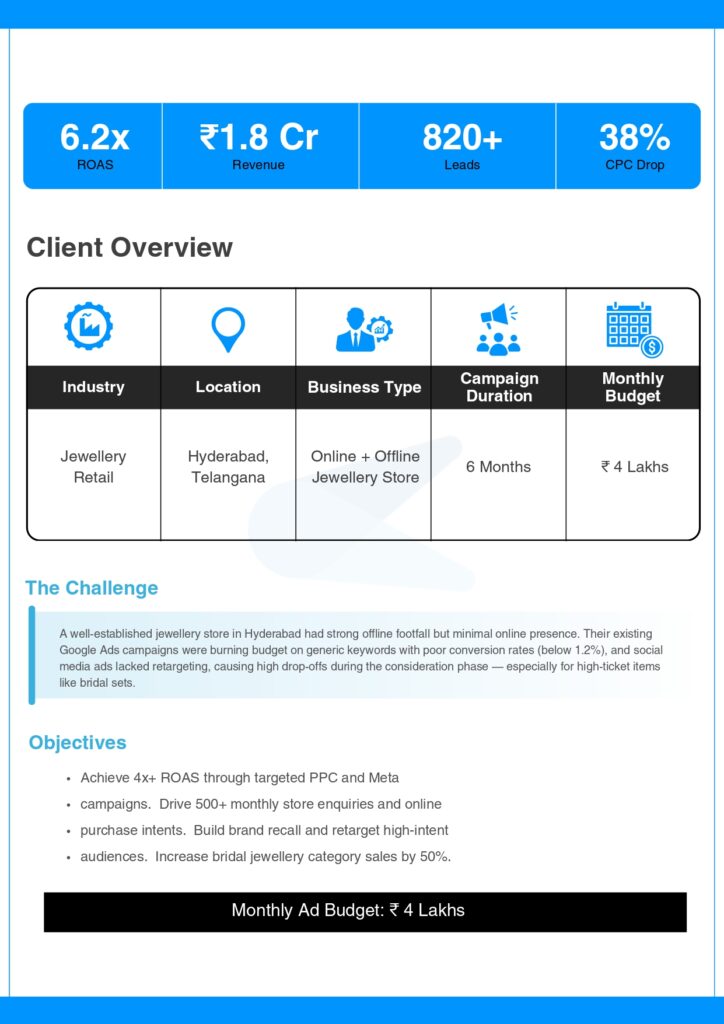
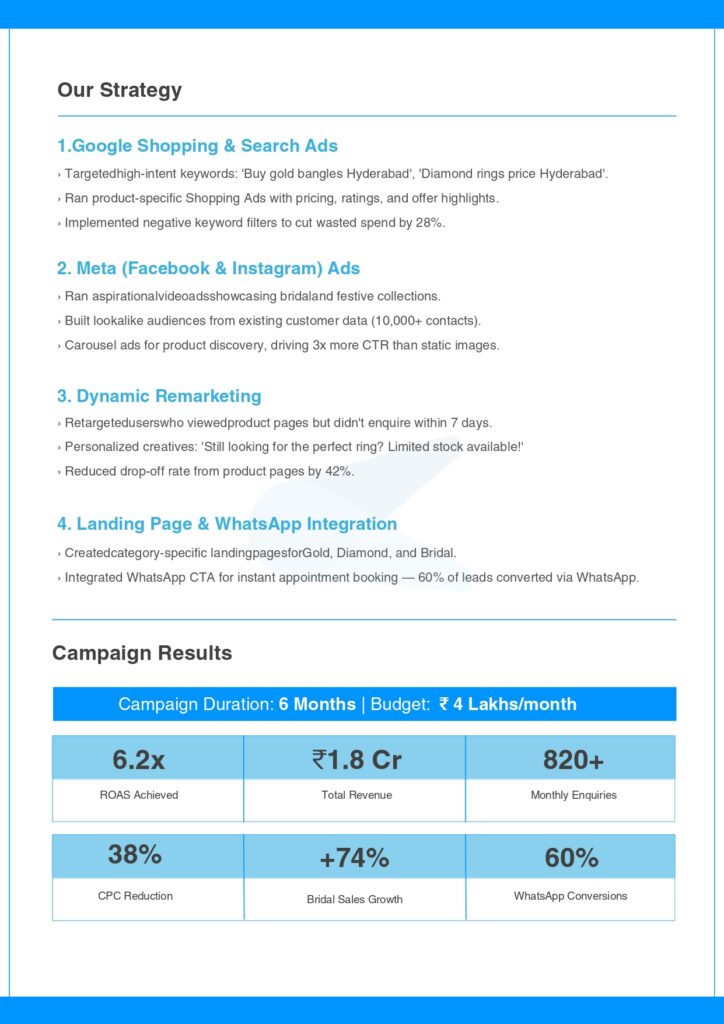
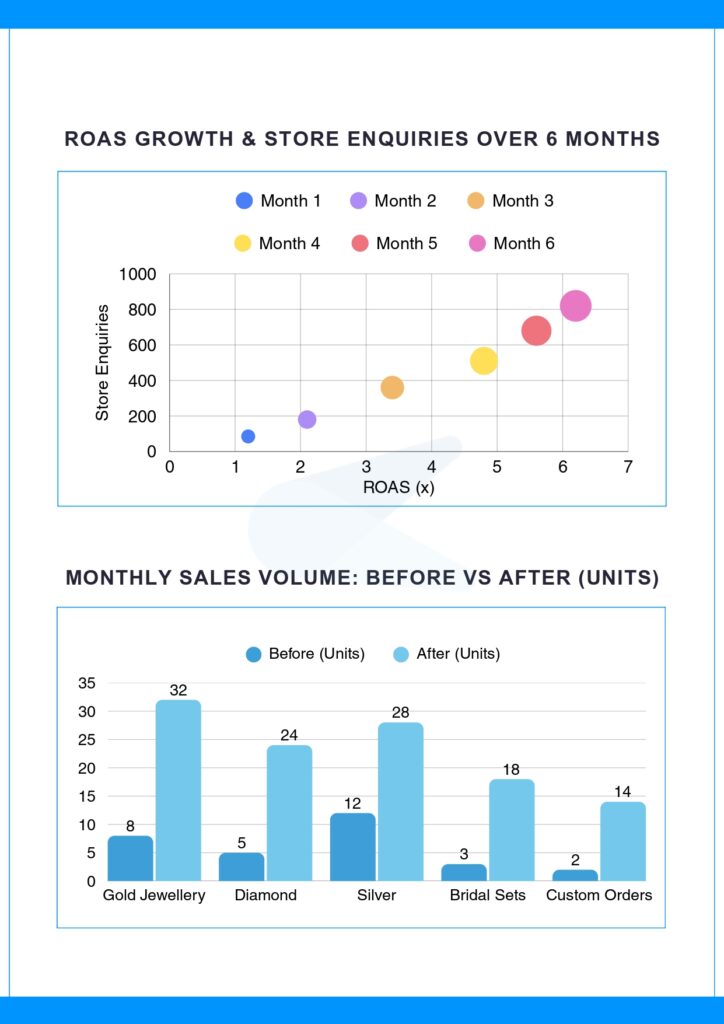
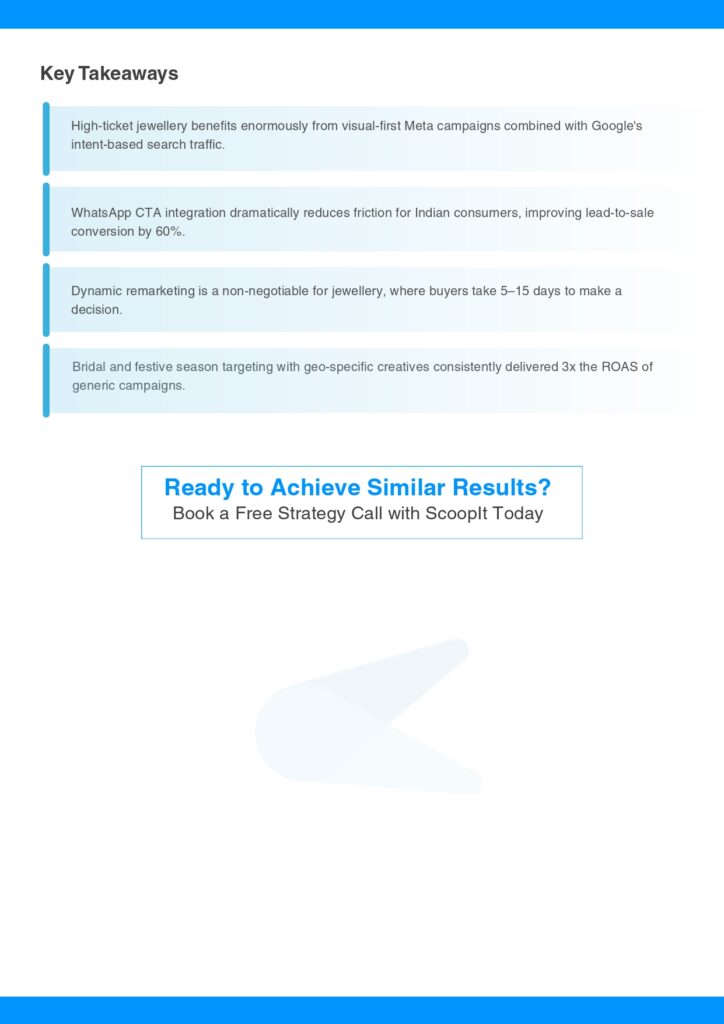
Meta Ads remain a strong growth channel. Costs rise. Attention drops. ROAS depends on precision, not spend. In 2026, success comes from tighter targeting, better creatives, and clean data.
This guide explains Meta Ads ROAS optimization with practical steps brands use to scale profitably.
What ROAS Means in Meta Advertising?
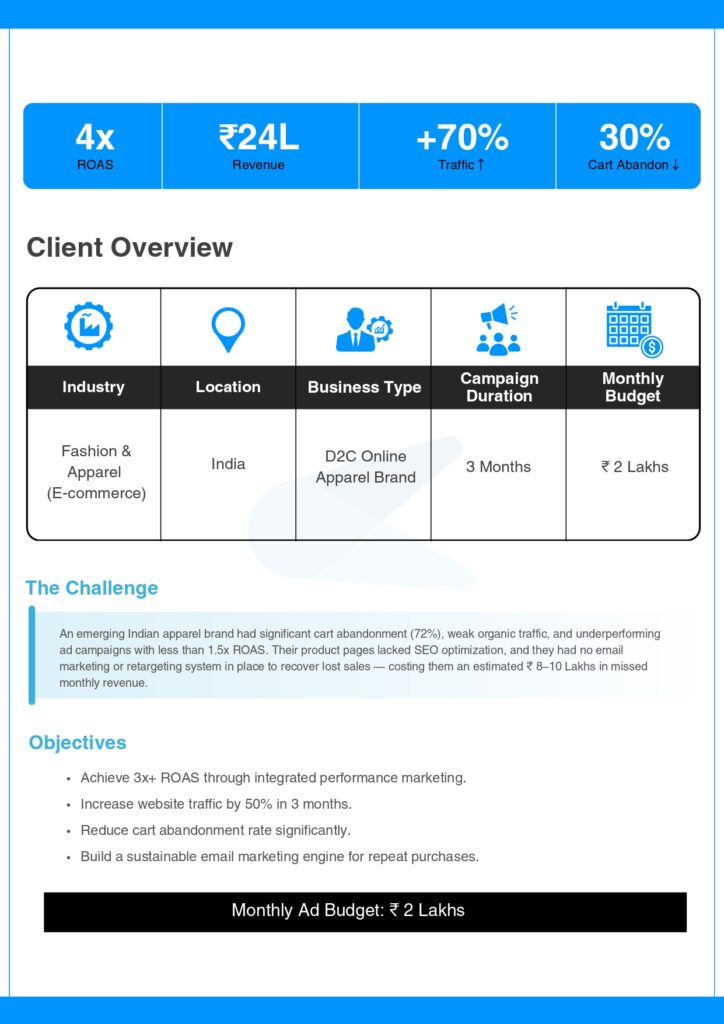
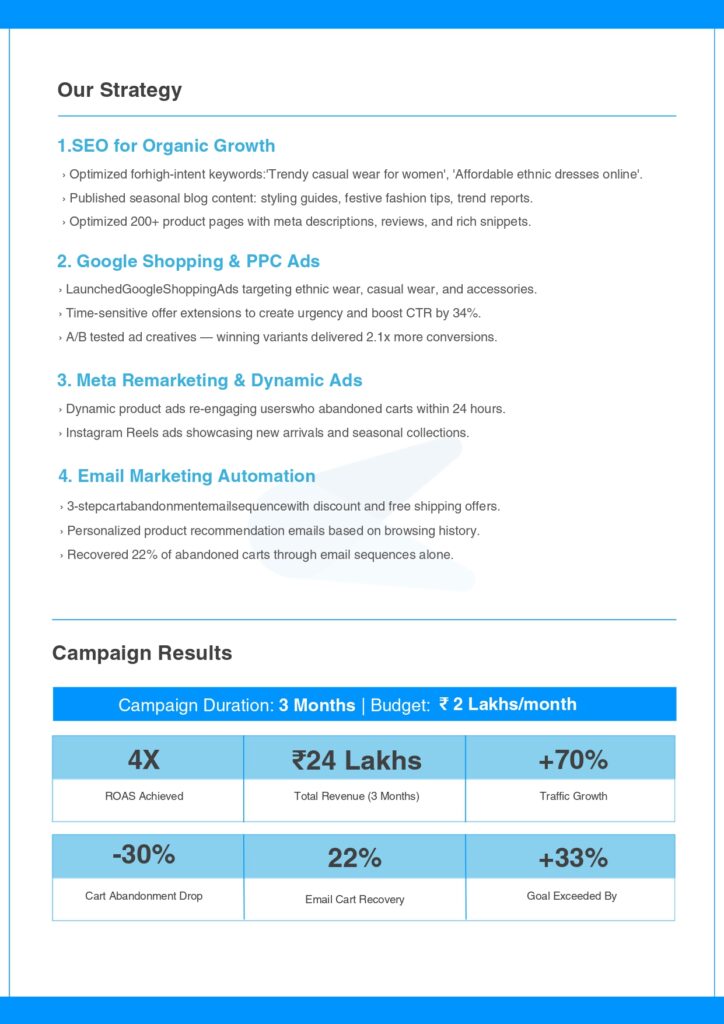
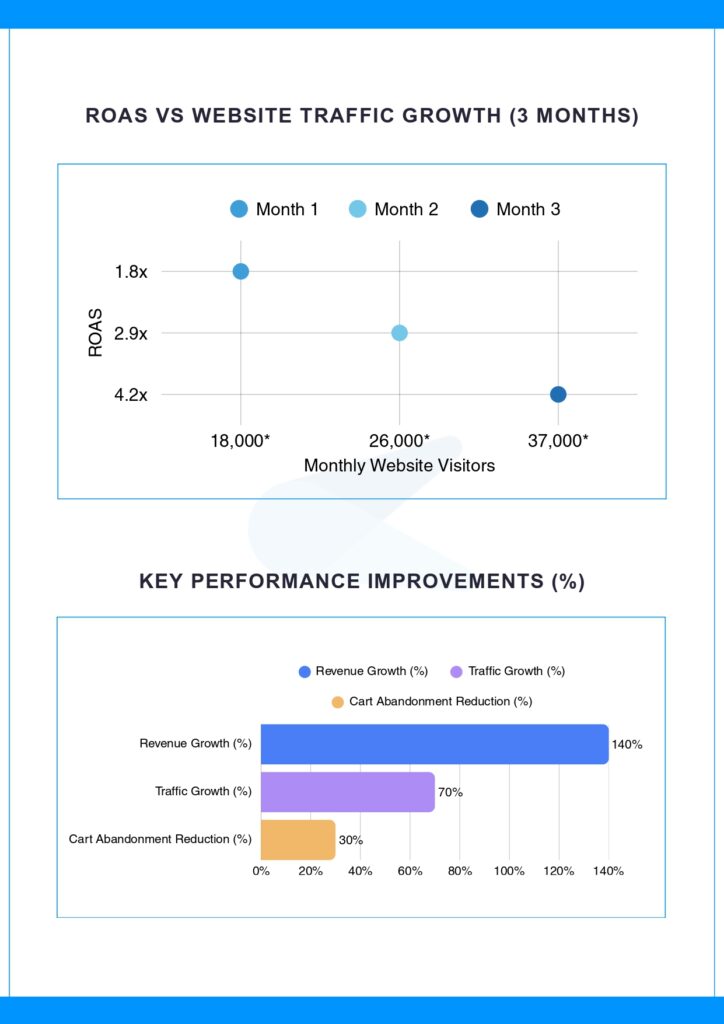
ROAS measures revenue earned per unit spent on ads. Higher ROAS means stronger efficiency.
ROAS depends on
- Audience quality
- Creative relevance
- Conversion tracking accuracy
- Landing page experience
Fixing one area rarely works alone.
Changes in Meta Ads for 2026
Meta focuses on automation and signals.
Key shifts
- Broader targeting
- AI-driven delivery
- Fewer manual controls
- Higher reliance on first-party data
Strategies must adapt.
Audience Strategy for Better ROAS
Over-targeting reduces scale. Broad targeting with signals performs better.
Best practices
- Use broad audiences
- Exclude low-intent users
- Rely on conversion signals
- Build value-based lookalikes
Quality signals guide delivery.
Creative Strategy That Improves ROAS
Creatives decide performance faster than targeting.
Winning creative traits
- Clear problem and solution
- Early hook in the first three seconds
- Simple message
- Strong visual contrast
Test multiple angles. Kill losers fast.
Creative Formats That Perform
Meta favors native formats.
Focus on
- Short vertical videos
- UGC style ads
- Static images with bold copy
- Simple carousels
Complex designs reduce engagement.
Landing Page Impact on ROAS
Ads fail when landing pages fail.
Landing page optimization includes
- Fast load speed
- Clear headline match
- Single conversion goal
- Minimal distractions
ROAS improves when conversion friction drops.
Conversion Tracking Setup
Poor tracking kills optimization.
Checklist
- Pixel installed correctly
- Conversion API active
- Correct events prioritized
- Deduplicated signals
Clean data trains Meta algorithms.
Budget and Bid Strategy
Budget affects learning.
Best practices
- Avoid frequent budget changes
- Scale slowly
- Use campaign budget optimization
- Let campaigns exit learning
Stability improves efficiency.
Funnel-Based Campaign Structure
One campaign cannot do everything.
Funnel stages
- Awareness
- Consideration
- Conversion
Each stage needs different creatives and messaging.
Retargeting for Higher ROAS
Retargeting delivers high-intent traffic.
Effective retargeting
- Website visitors
- Video viewers
- Engaged users
Keep frequency controlled.
Creative Testing Framework
Testing needs structure.
Test variables
- Hook
- Visual
- Copy angle
- CTA
Change one element at a time.
Role of AI in Meta Ads Optimization
Meta AI optimizes delivery.
Support AI with
- Strong creatives
- Clear conversion events
- Consistent spend
Human strategy guides machine learning.
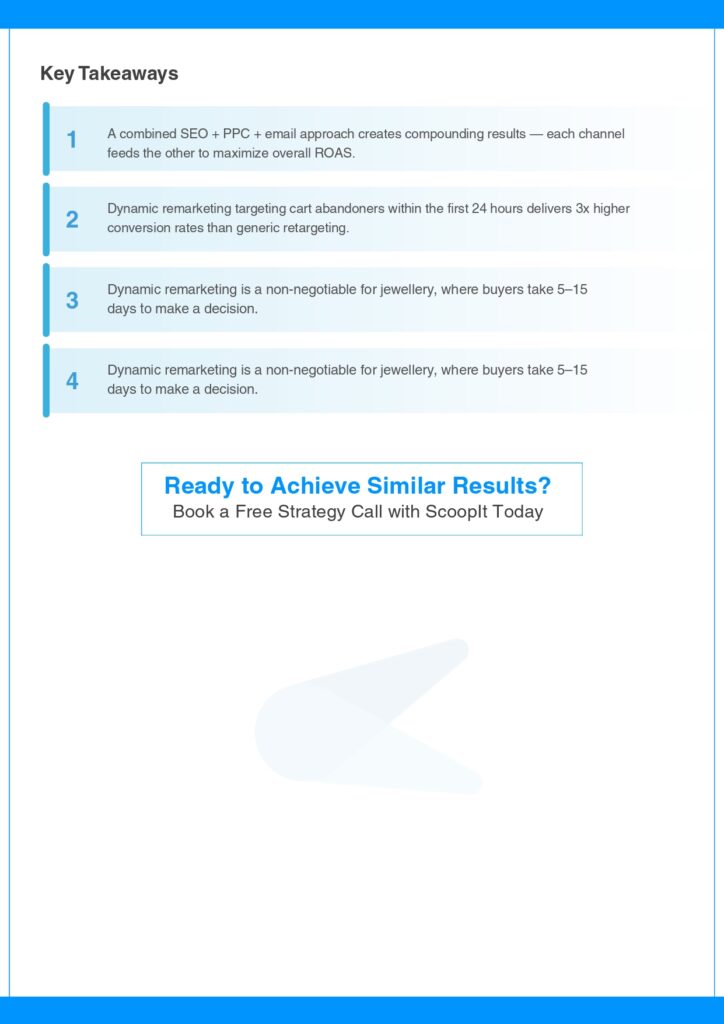
How Scoopit Improves Meta Ads ROAS?
Scoopit focuses on profitability, not vanity metrics.
Scoopit approach
- Funnel planning
- Creative strategy
- Landing page optimization
- Signal-based tracking
- Performance analysis
ROAS improves through system-level optimization.
Common Mistakes That Reduce ROAS
Avoid these errors
- Over targeting
- Weak creatives
- Poor landing pages
- Inconsistent budgets
- Ignoring data signals
Small mistakes compound costs.
Measuring ROAS Beyond Dashboards
Look beyond platform numbers.
Track
- Actual revenue
- Lead quality
- Conversion to sale
- Lifetime value
True ROAS links ads to business outcomes.
Conclusion
Meta Ads ROAS optimization in 2026 requires better creatives, strong signals, and conversion-focused systems. Automation rewards clarity and data quality. Scoopit helps brands improve ROAS through structured strategies that connect ads, landing pages, and tracking for profitable growth.
FAQs
- What is a good ROAS for Meta Ads?
ROAS depends on margins. Many businesses target a three to five times return. - Does broad targeting work better in 2026?
Yes. Broad targeting paired with strong signals performs well. - How often should creatives be changed?
Refresh creatives every two to four weeks based on performance. - Does landing page speed affect ROAS?
Yes. Slow pages reduce conversions and increase costs. - Does Scoopit manage Meta Ads campaigns?
Yes. Scoopit provides planning, execution, and performance optimization.