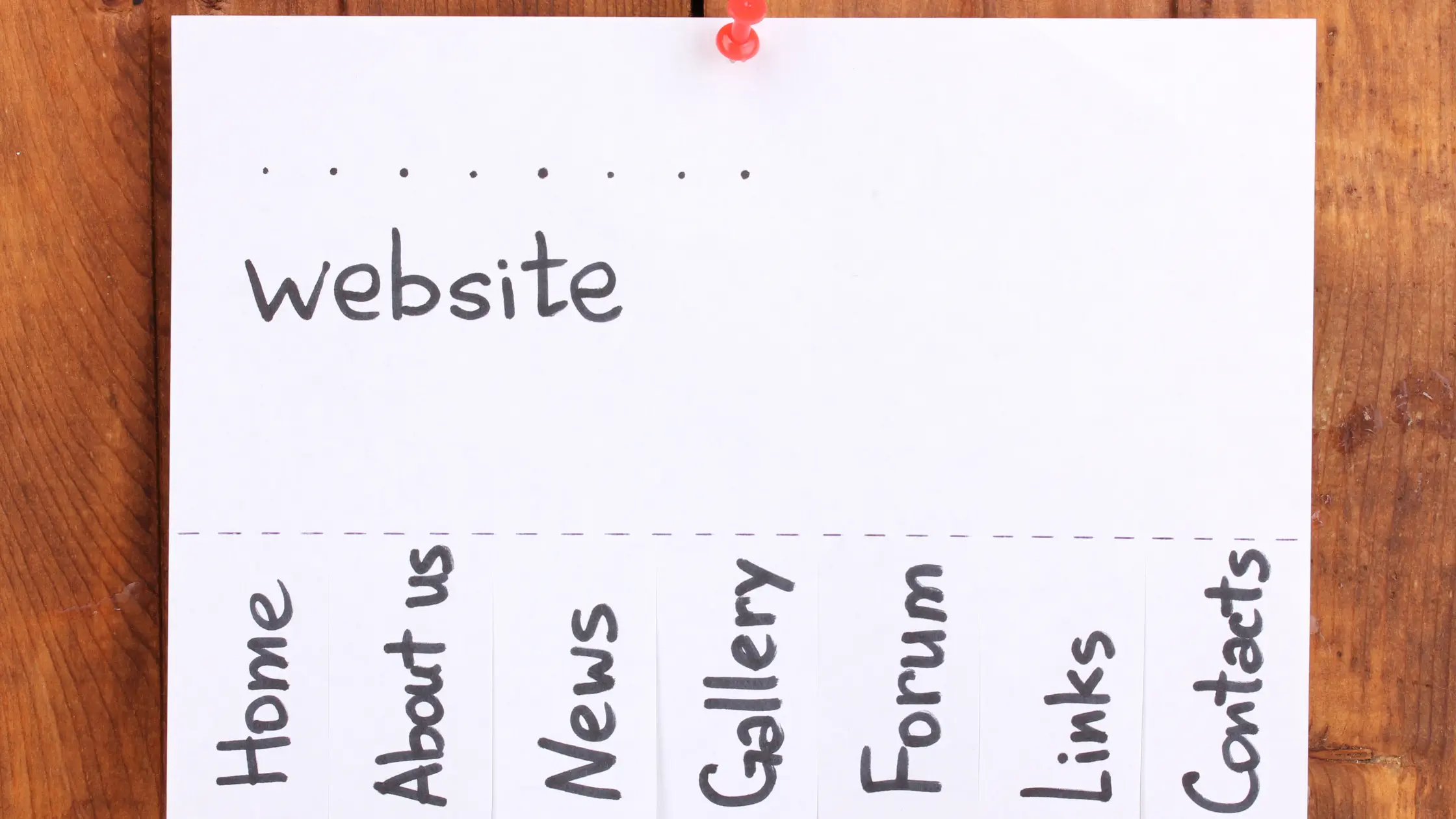
Website structure for SEO plays a direct role in search rankings. Search engines read structure before content depth. A clear structure helps crawlers find pages fast. Poor structure hides pages and weakens visibility.
This blog explains how website structure impacts rankings and how brands fix structural issues with a strategic approach used by Scoopit.
What Does Website Structure Mean in SEO?
Website structure defines how pages connect. It includes navigation, categories, URLs, and internal links. A strong structure helps search engines understand the topic hierarchy.
Search engines favor sites where
- Pages follow a logical order
- Important pages sit close to the homepage
- Related content connects clearly
A weak structure confuses crawlers and users.
Why Website Structure Matters for Search Rankings?
Search engines scan sites through bots. Bots move via links. When structure breaks, bots miss pages.
Good structure improves
- Crawlability
- Indexation
- Page authority flow
- User engagement
All four influence rankings.
Crawlability and Indexation
Search bots have crawl limits. They prioritize sites with clean paths.
SEO friendly structure ensures
- Fewer clicks to reach key pages
- No orphan pages
- Clean internal links
Pages buried deep often fail to rank.
Internal Linking and Page Authority
Internal links pass authority. Structure controls how authority flows.
Strong structure
- Pushes value to service pages
- Supports blogs with related links
- Improves keyword relevance
Random linking weakens signals.
URL Structure and SEO
URLs reflect structure. Clean URLs help users and bots.
Good URL structure
- Uses readable words
- Avoids random parameters
- Shows category hierarchy
Example
domain.com/services/seo
not
domain.com/page?id=483
Clear URLs improve click trust and indexing.
Navigation and User Experience
Navigation guides users. Search engines track behavior.
Strong navigation
- Reduces bounce rate
- Improves session depth
- Signals relevance
Poor navigation kills engagement. Rankings drop with low interaction.
Silo Structure and Topic Authority
Silo structure groups related pages. Each silo focuses on one topic.
Benefits
- Clear topical relevance
- Better keyword coverage
- Strong internal linking
Example
SEO silo
- SEO services
- On-page SEO
- Technical SEO
- SEO blogs
Search engines reward topical clarity.
Mobile Structure and Rankings
Mobile-first indexing prioritizes mobile structure.
Mobile-friendly structure needs
- Simple menus
- Shallow depth
- Fast loading paths
Complex desktop structures fail on mobile.
Common Website Structure Mistakes
Most ranking issues trace back to structure.
Frequent errors
- Deep nested pages
- Broken internal links
- Duplicate categories
- Poor URL naming
- No breadcrumb navigation
Fixing structure often improves rankings faster than content rewrites.
How Scoopit Builds SEO Friendly Website Structures?
Scoopit treats structure as a ranking foundation.
Scoopit approach
- Page hierarchy planning
- Keyword-mapped architecture
- SEO focused navigation
- Clean URL frameworks
- Internal linking strategy
Structure supports both SEO and UX.
Scoopit aligns structure with search intent. Service pages stay accessible. Blogs support conversion paths. Users and search engines move with ease.
Measuring Structure Performance
You track the structure impact through
- Crawl reports
- Index coverage
- Page depth analysis
- User behavior metrics
GA4 and Search Console clearly reveal structural gaps.
When to Fix Website Structure?
You need restructuring when
- Pages do not rank despite quality content
- Important pages sit beyond three clicks
- Traffic fails to convert
- Crawled pages differ from indexed pages
Structure fixes unlock existing content value.
Future Proof SEO Starts With Structure
Algorithms evolve. Structure stays relevant. Search engines rely on structure to understand intent and authority. Brands investing in strong architecture build long-term visibility.
Conclusion
The website structure for SEO influences crawlability, authority flow, and user experience. Clean architecture improves rankings without content overload. Scoopit designs SEO driven website structures that support growth, visibility, and performance.
FAQs
- What is website structure in SEO?
Website structure defines how pages connect through navigation, URLs, and internal links. - How many clicks should key pages take?
Important pages should stay within three clicks from the homepage. - Does website structure affect rankings directly?
Yes. Poor structure limits crawling and weakens authority signals. - Can structure improvements boost old content?
Yes. Better internal linking often improves existing rankings. - Does Scoopit help restructure websites?
Yes. Scoopit provides SEO focused website architecture planning and execution.